From your first consultation to your final tooth — a clear look at every step of the dental implant process in Tallahassee.
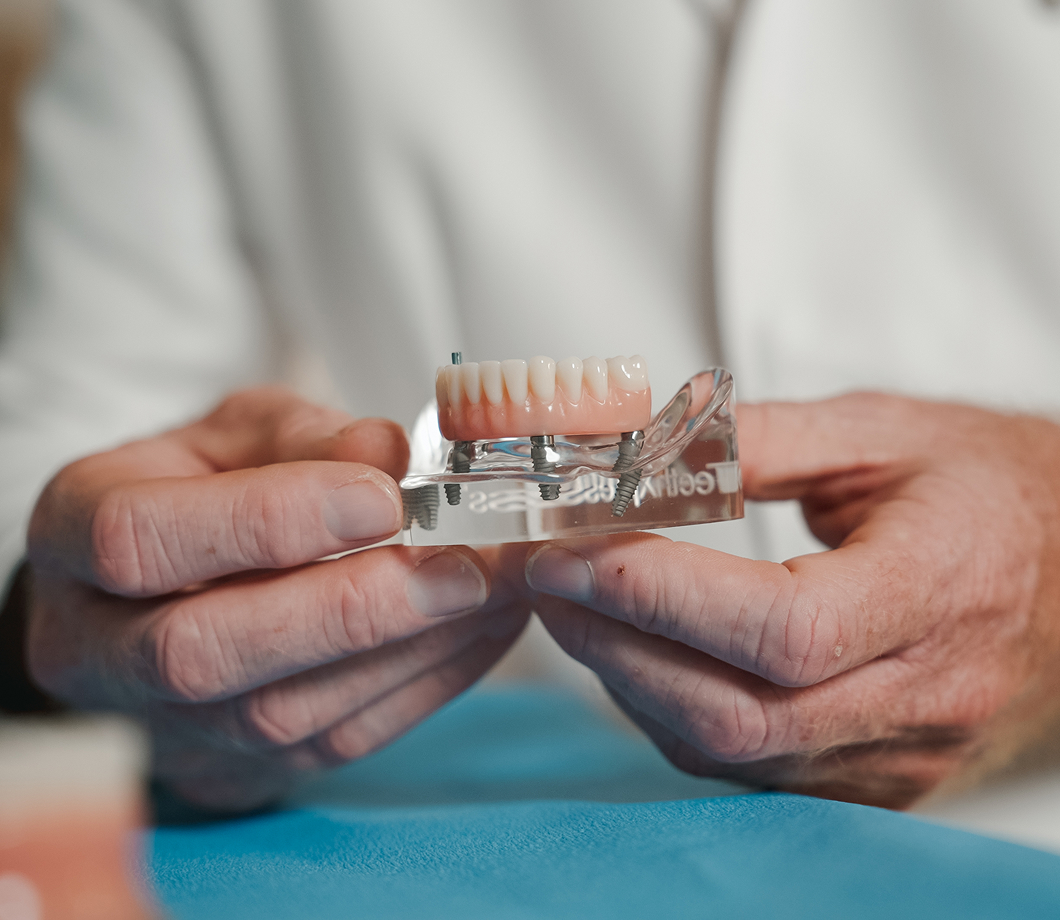
A dental implant replaces the root of a missing tooth with a small titanium post that fuses to your jawbone. Once healed, it supports a custom crown built to match your surrounding teeth — so it looks, feels, and functions like the tooth you lost.
Dr. Barrett R. Tolley plans every case around your anatomy, your bone, and your goals, and walks you through exactly what your treatment will involve before anything begins.
By a Diplomate of the American Board of Oral & Maxillofacial Surgery
Most implants placed in one visit
Typical fusion time with bone
Built to last for decades
The details patients ask about most, before we get into the full walkthrough.
60–90 minutesFor a single implant placement
Local, with sedation availableDiscussed at your consultation
Often the next dayMost patients report mild soreness only
After the implant fusesTypically 3–6 months from placement
Every case is a little different, but this is the path most implant patients follow.
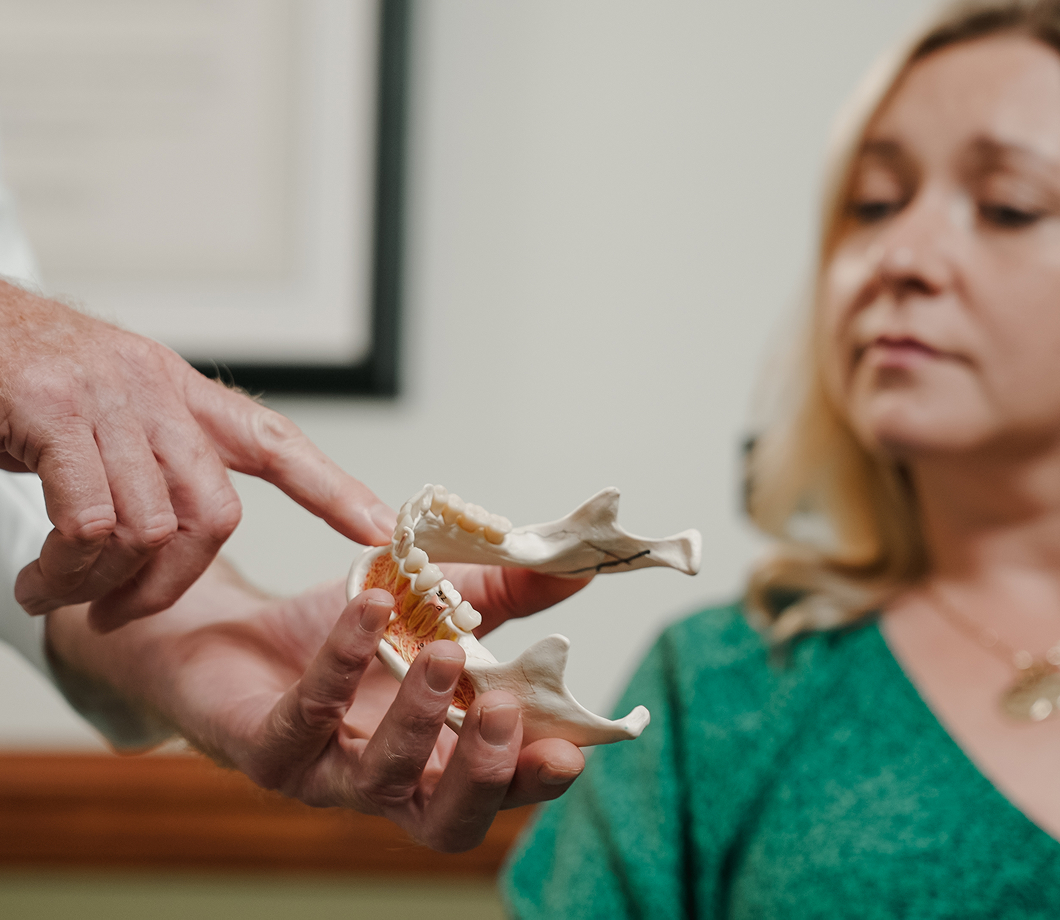
We review your medical history, examine the site, and take a 3D scan to assess your bone. You’ll leave knowing your options, your timeline, and your cost — in writing.
Some patients need an extraction or a bone graft first to build a solid foundation. If that applies to you, we’ll explain why before scheduling anything.
The titanium post is placed into the jawbone. The appointment is usually about an hour, and you’re comfortable throughout with local anesthesia and your choice of sedation.
Your bone grows around the implant and locks it in place — a process called osseointegration. Most patients wear a temporary tooth during this stage and go about life normally.
Once the implant is solid, your custom crown is attached. It’s shaped and shaded to match the teeth beside it, and you can eat and brush with it like any other tooth.
Implants are all we’d want done on our own families — so this is how we do them for yours.
Your implant is placed by an oral and maxillofacial surgeon — not a general dentist.
Cone-beam imaging maps your bone and nerves before we ever pick up an instrument.
From local anesthetic to IV sedation, you choose the comfort level that suits you.
You get a written estimate and your benefits verified before you commit to anything.
Your crown is shaped and shaded against the teeth beside it, not to a stock chart.
The same surgeon who plans your case places it and follows you through healing.
Still deciding? These are the questions we hear most often. See all implant FAQs.
The placement itself is done under anesthesia, so you shouldn’t feel pain during the procedure. Most patients describe the recovery as milder than they expected — typically some soreness for a few days, managed with over-the-counter medication.
From placement to final crown is usually three to six months, most of which is healing rather than appointments. If you need a bone graft first, add a few months to that.
In most cases, no. We can provide a temporary tooth so you’re not left with a visible gap during the healing period.
Brush and floss it like a natural tooth and keep up with regular dental checkups. Implants can’t get cavities, but the gum and bone around them still need care.
Coverage varies widely by plan, and some portions may fall under medical rather than dental insurance. Our team verifies your benefits before your visit — see our insurance page for details.
The most common issue is an implant failing to fuse with the bone, which is uncommon and usually detected early. Smoking, uncontrolled diabetes, and gum disease all raise that risk, which is why we review your health history carefully before planning treatment.
Schedule a consultation and get a clear plan, a written estimate, and answers to every question — with no pressure to book anything on the spot.
Mon–Thu 8:00am – 4:00pm · Fri 7:00am – 3:00pm