

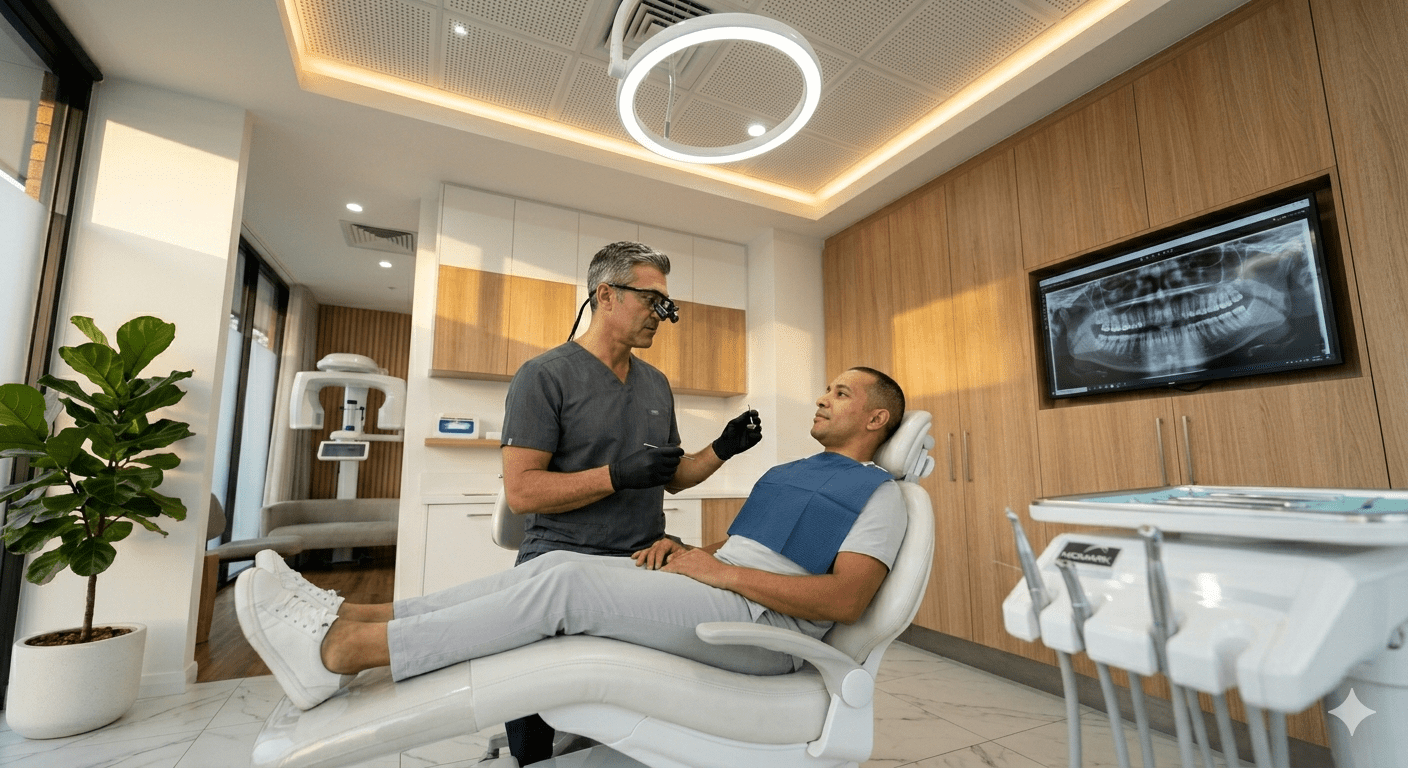
When a dental emergency strikes in Tallahassee, knowing where to turn can make all the difference. An emergency oral surgeon in Tallahassee offers prompt, expert care for urgent dental issues like severe tooth pain, broken teeth, or infections. These specialists handle situations that can’t wait, ensuring pain relief and preventing further complications.
Whether it’s a weekend injury or sudden swelling, emergency oral surgeons are equipped with modern tools and techniques that focus on patient comfort and quick recovery. They understand the stress that comes with unexpected dental problems and work to ease concerns while providing effective treatment.
For anyone facing a dental emergency, having access to a trusted oral surgeon nearby can bring peace of mind. It’s important to know how and when to seek help, so patients can get back to their daily lives with confidence and comfort.
Recognizing Dental Emergencies
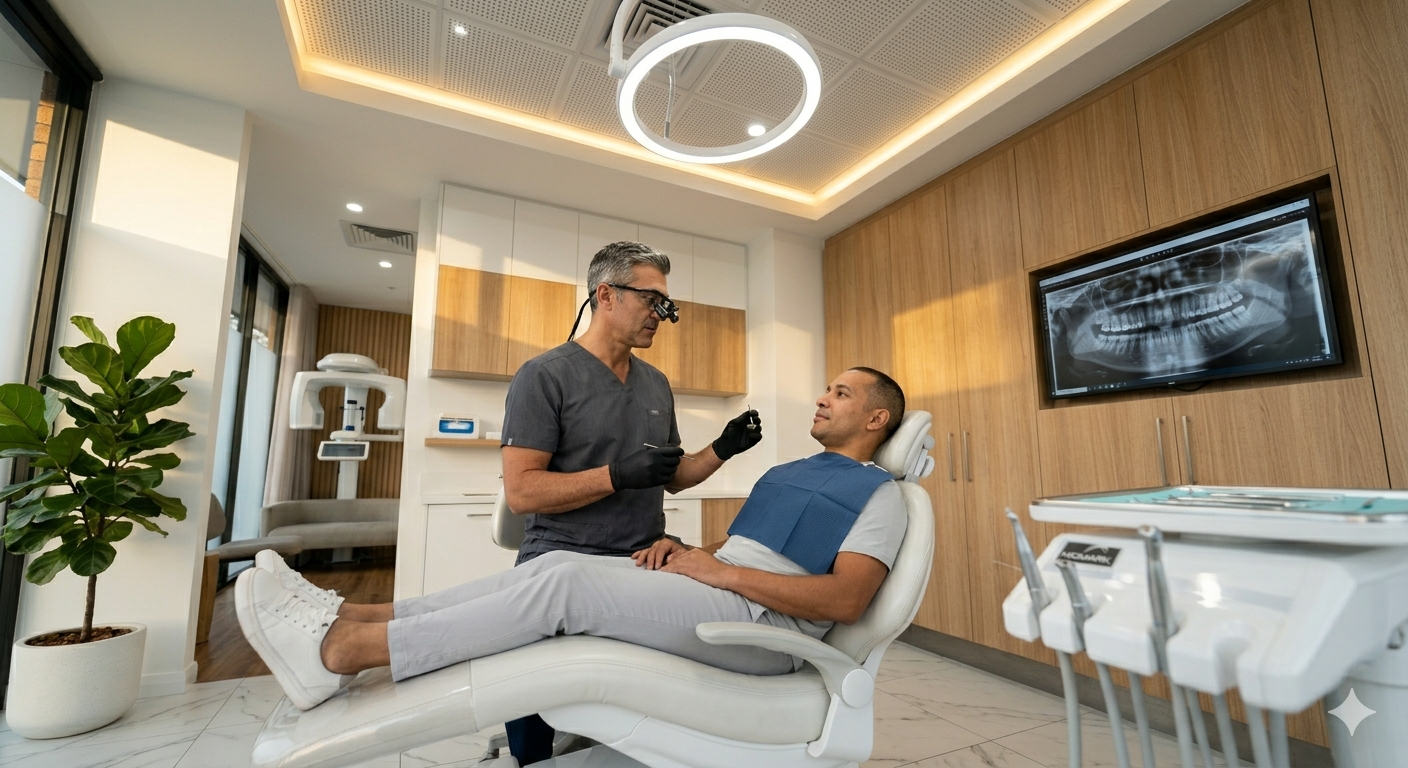
Knowing the warning signs and how to act quickly can save teeth and reduce pain. Identifying when a problem needs urgent care and how to manage it immediately helps prevent complications.
Common Signs You Need Immediate Care
Severe tooth pain that doesn’t ease with over-the-counter medication is a key indicator. Swelling around the face or jaw, especially if it causes difficulty breathing or swallowing, requires prompt attention.
Bleeding that doesn’t stop after 15 minutes of gentle pressure signals an emergency. A tooth that is knocked out or visibly broken should be treated as soon as possible to have the best chance of saving it.
Other signs include a loose tooth following trauma, persistent fever with mouth pain, or a sudden, sharp pain when biting down.
When to Call an Oral Surgeon
Patients should contact an oral surgeon immediately if pain is intense, swelling spreads rapidly, or if there’s a visible deformity in the jaw or mouth structure. Cases involving lost teeth, infections, or injuries affecting bone or soft tissue need specialized surgical care.
If home care does not relieve symptoms or if there’s numbness or difficulty moving the jaw, these are clear signs that professional intervention is necessary. Oral surgeons are equipped to handle complicated cases beyond general dentistry.
Seeing a surgeon quickly can prevent infection, save damaged teeth, and restore oral function more effectively than waiting.
How to Respond to Dental Trauma
First, rinse the mouth gently with warm water to clean it. If there is bleeding, apply firm but gentle pressure with a clean cloth or gauze to control it.
If a tooth is knocked out, retrieve it by the crown (not the root), rinse briefly with water, and try to place it back in the socket if possible. Otherwise, store it in milk or saliva and get to an oral surgeon within an hour for the best chance of reattachment.
For broken teeth or soft tissue injuries, avoid eating or drinking hot or cold foods which may cause pain. Use cold compresses to reduce swelling and avoid touching the injured area. Prompt dental care is essential to address trauma correctly.
What Oral Surgeons Do in Urgent Situations
Oral surgeons handle a range of serious dental emergencies requiring immediate attention. From pain relief to delicate surgeries, their goal is to restore function and comfort quickly, using advanced techniques and compassionate care.
Types of Problems Treated
Emergency oral surgeons manage issues such as severe toothaches, broken or knocked-out teeth, and infections like abscesses. They also address trauma from accidents, including jaw fractures and soft tissue injuries.
Other urgent conditions include problematic wisdom teeth causing intense pain or swelling, and complications from previous dental work, such as failed implants or exposed nerves. Prompt treatment helps prevent worsening conditions and reduces the risk of infection.
Surgical and Non-Surgical Procedures
For emergencies, oral surgeons may perform tooth extractions, especially when a tooth is damaged beyond repair or impacted and causing pain. They also drain abscesses to stop the spread of infection.
Non-surgical care might involve prescribing antibiotics, cleaning infected areas, or stabilizing fractures with splints. The surgeon adapts the approach based on urgency and patient health, balancing quick relief with long-term healing.
Modern Pain Management Solutions
Pain control is a priority in emergency cases. Oral surgeons use local anesthesia to numb affected areas instantly, allowing pain-free procedures.
They also offer sedation options, from mild nitrous oxide to deeper intravenous sedation, helping anxious patients stay calm. Post-operative pain is managed with prescription medications and recommendations for ice packs or gentle care, all tailored for faster recovery and comfort.
Preparing for Your Emergency Visit
Knowing what to bring and what to expect can make a trip to an emergency oral surgeon smoother and less stressful. Being prepared also helps the surgeon diagnose and treat the problem more quickly and accurately.
What to Bring and Expect
Patients should bring government-issued ID, insurance cards, and a list of current medications. If pain or swelling is severe, having any previous dental records or X-rays can speed up diagnosis. Wearing comfortable clothing helps during treatment.
Expect the surgeon to ask detailed questions about the injury or discomfort. They will perform a quick but thorough exam, which may include updated X-rays or scans. Pain management options will be discussed immediately to ensure comfort.
Questions to Ask Your Provider
Patients should clarify the cause of the emergency, treatment options, and potential risks. Asking about the expected recovery time and any necessary follow-up visits helps plan ahead.
It’s also important to discuss pain relief methods, available sedation options, and what to do if symptoms worsen after the visit. Understanding aftercare instructions and any dietary restrictions can improve healing.
Encouraging open communication ensures patients feel supported and informed throughout the emergency care process.
Finding the Right Specialist in Tallahassee
Choosing an oral surgeon means considering specific skills and local options that suit urgent dental needs. Knowing what credentials and nearby clinics offer emergency care can save time and stress during a dental crisis.
Qualities of an Experienced Oral Surgeon
An experienced oral surgeon in Tallahassee should have board certification and multiple years handling emergency cases. They are skilled in pain management, infection control, and performing procedures like extractions or jaw repairs quickly and safely.
Patients benefit from a surgeon who communicates clearly, listens well, and explains treatment steps to ease anxiety. Familiarity with advanced technology such as digital imaging improves diagnosis accuracy. Look for specialists who show a strong commitment to patient comfort and use minimally invasive techniques whenever possible.
Local Resources and Clinics
Tallahassee has several clinics equipped for emergency oral surgery, including those affiliated with hospitals and private practices. Many offer same-day appointments or after-hours services to handle urgent issues efficiently.
Resources like the Tallahassee Memorial Healthcare system and Florida State University’s dental program provide reliable emergency oral care. Patients should verify insurance acceptance, clinic location, and availability of sedation options during emergencies. Convenient access to these services ensures prompt attention when unexpected dental problems arise.
Life After Treatment
Recovery after emergency oral surgery involves careful attention to healing and managing discomfort. Patients often need clear instructions to avoid complications and promote faster recovery. Comfort and emotional support also play important roles during this period.
Post-Operative Care Tips
Following surgery, patients should keep the surgical area clean but avoid vigorous rinsing for the first 24 hours. Using ice packs on the outside of the face can reduce swelling significantly during the first two days. Soft foods like yogurt, mashed potatoes, and soup are recommended to prevent irritation to the healing tissues.
Pain medication should be taken exactly as prescribed. Avoid smoking, drinking alcohol, and using straws, as these can disrupt the healing clot. Patients should also attend follow-up appointments to ensure proper recovery and address any concerns early.
Support for Anxiety and Comfort
Many patients feel anxious about the healing process or potential pain after surgery. Offering clear and simple explanations before and after treatment helps ease fears. Relaxation techniques, such as deep breathing or listening to calming music, can reduce stress.
Dental offices often provide options like sedation or calming medications for anxious patients. Encouraging open communication allows patients to express worries and receive reassurance. Family or friends can also provide valuable emotional support during recovery.
Preventing Dental Emergencies
Taking simple actions every day can significantly reduce the risk of painful dental problems. Using the right tools and habits protects teeth and gums from damage. Staying proactive about oral care and safety helps avoid unexpected visits to the oral surgeon.
Everyday Habits for Oral Health
Brushing teeth twice daily with fluoride toothpaste removes plaque and bacteria that lead to decay and gum disease. Flossing once a day clears debris between teeth, preventing cavities and infections in hard-to-reach areas.
Regular dental check-ups help spot small issues before they become emergencies. Drinking plenty of water rinses food particles and maintains saliva flow, which protects teeth.
Avoid biting hard objects like ice or popcorn kernels that can crack or chip teeth. Limiting sugary snacks reduces acid buildup that weakens enamel over time.
Protective Gear for Sports and Activities
Wearing a custom-fitted mouthguard during contact sports or high-impact activities cushions teeth and soft tissues from injury. Over-the-counter guards are better than none, but custom versions offer a superior fit and comfort.
Helmets with face protection add another layer of safety for activities like biking, skateboarding, or hockey. Using proper gear lowers the chances of broken teeth or jaw fractures during accidents.
Children and adults alike benefit from protective equipment, especially when participating in organized sports or recreational play. A little preparation can prevent a lot of pain and stress later on.
When to Follow Up With Your Dentist
After visiting an emergency oral surgeon in Tallahassee, it’s important to know when to see your regular dentist. Follow-up appointments help ensure healing is on track and prevent future problems.
Signs to schedule a follow-up:
- Persistent pain lasting more than a few days
- Swelling that doesn’t go down or worsens
- Bleeding that continues beyond 24 hours
- Difficulty eating or opening the mouth fully
Even if symptoms improve quickly, a follow-up can catch issues early.
Your dentist can check for infection, evaluate how your teeth and gums are healing, and recommend any further treatment. Sometimes, the emergency care focuses on immediate pain or injury, and the dentist handles long-term care.
It’s a good habit to have a routine dental exam after emergencies. That visit offers a chance to review your oral health and talk about preventing future emergencies.
If you’re unsure about a symptom or when to go back, contact your dental office. They can guide you based on your specific situation and help you feel confident in your recovery plan.
Connecting With the Tallahassee Oral Health Community
Emergency oral surgeons in Tallahassee work closely with local dentists, healthcare providers, and specialists to ensure timely, comprehensive care when urgent dental issues arise. This network helps patients get fast access to expert treatment, whether it’s a severe toothache, broken jaw, or infection.
Community involvement is important too. Many oral surgeons participate in health fairs, school screenings, and public talks, helping people learn about dental emergencies and how to prevent them. These efforts make complex dental topics easier to understand and encourage early care.
Patients benefit from this connected approach because it means continuity of care. After an emergency procedure, follow-up visits with the usual dentist or specialist ensure healing goes smoothly. The teamwork helps maintain oral health beyond the emergency itself.
If you’re in Tallahassee and face a dental emergency, don’t hesitate to reach out. Local oral surgeons are ready to provide expert, compassionate care with the latest treatments designed for comfort and effective healing. Knowing who to contact ahead of time can ease stress when emergencies happen.
Frequently Asked Questions
Emergency oral surgeons in Tallahassee handle situations like severe pain, trauma, and infections that need quick attention. Knowing when to seek care and what to expect can help patients feel more at ease and prepared.
What counts as a true dental emergency, and when should I seek help right away?
A true dental emergency includes severe tooth pain, knocked-out teeth, broken teeth causing sharp edges, and infections that cause swelling or fever. Immediate care is crucial if there is uncontrolled bleeding or swelling affecting breathing or swallowing.
Can I get same-day care for a broken tooth, knocked-out tooth, or severe toothache in Tallahassee?
Yes, many emergency oral surgeons in Tallahassee offer same-day appointments for urgent issues like broken or lost teeth and severe pain. Prompt treatment improves outcomes and reduces the risk of complications.
If I go to the ER for dental pain or facial swelling, what can they do—and will I see a dental specialist?
Emergency rooms can provide pain relief, antibiotics, and stabilize severe infections but typically won’t perform dental procedures. Patients may need referral to an oral surgeon or dentist for definitive care.
What should I do at home to manage pain and swelling safely until I’m seen?
Apply a cold compress to reduce swelling and take over-the-counter pain medication as directed. Avoid hot foods or drinks, and keep the head elevated to minimize discomfort.
How can I tell if a tooth infection is spreading, and what warning signs mean I shouldn’t wait?
Spreading infection signs include increasing facial swelling, difficulty breathing or swallowing, fever, rapid heartbeat, or severe headache. These symptoms require immediate emergency care to prevent serious complications.
Are there urgent dental options on nights or weekends in Tallahassee, and how do I find an office that’s open?
Some oral surgeons and dental clinics in Tallahassee offer after-hours and weekend emergency care. Calling local offices directly or checking online for emergency dental services can help find available providers quickly.