

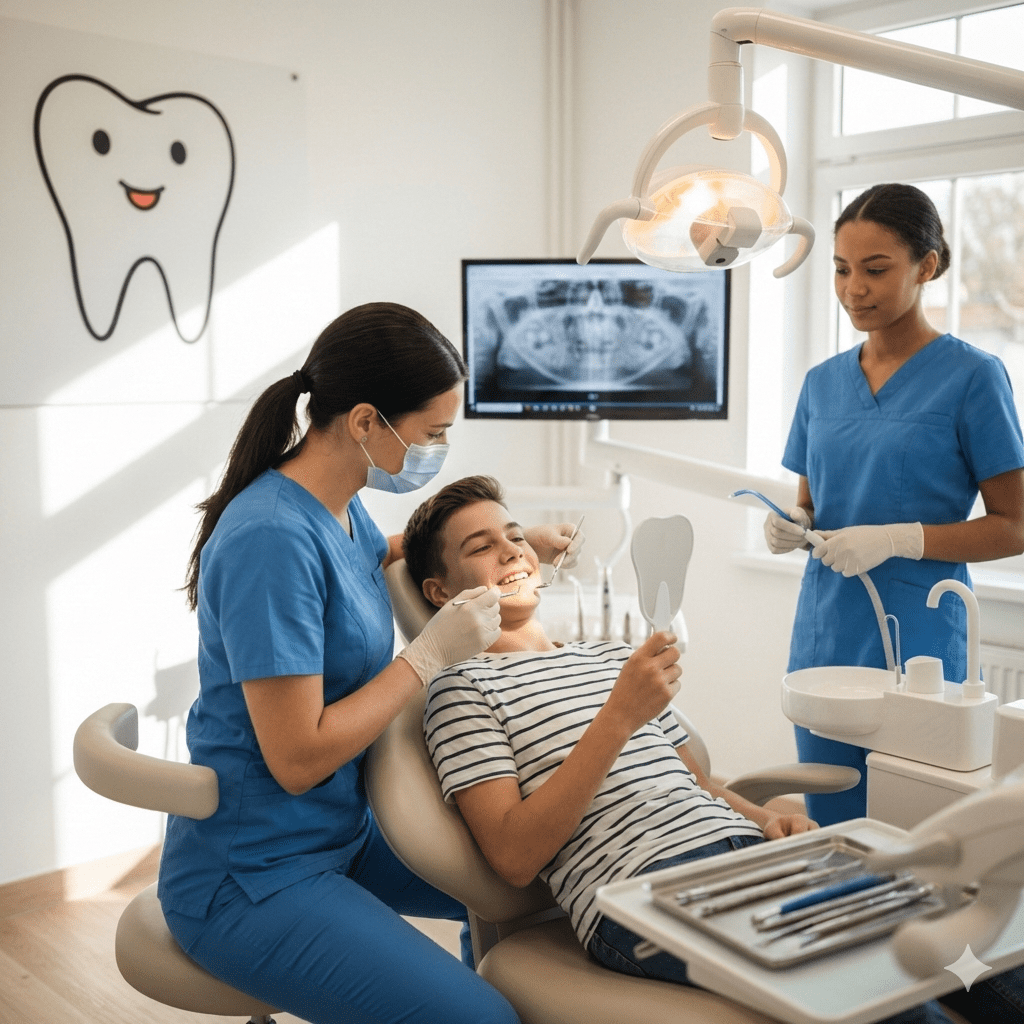
When dental emergencies strike in Tallahassee, knowing where to turn can make all the difference. An emergency dentist in Tallahassee provides immediate care for issues like severe tooth pain, broken teeth, or lost fillings to prevent further damage and relieve discomfort quickly. This kind of care is designed to address urgent dental problems outside regular office hours, ensuring patients aren’t left waiting when they need help the most.
Many people hesitate to seek emergency dental care because they’re unsure what qualifies as an emergency or worry about complicated procedures. In reality, these dentists focus on patient comfort with modern treatment options that stabilize the situation and protect the smile until a more thorough visit can be arranged.
Understanding the services of an emergency dentist helps individuals act confidently during dental crises. If pain or injury happens, reaching out promptly not only saves teeth but also reduces stress, making recovery easier. Exploring local emergency dental care options in Tallahassee is a smart step for anyone wanting peace of mind.
What Is an Emergency Dentist?
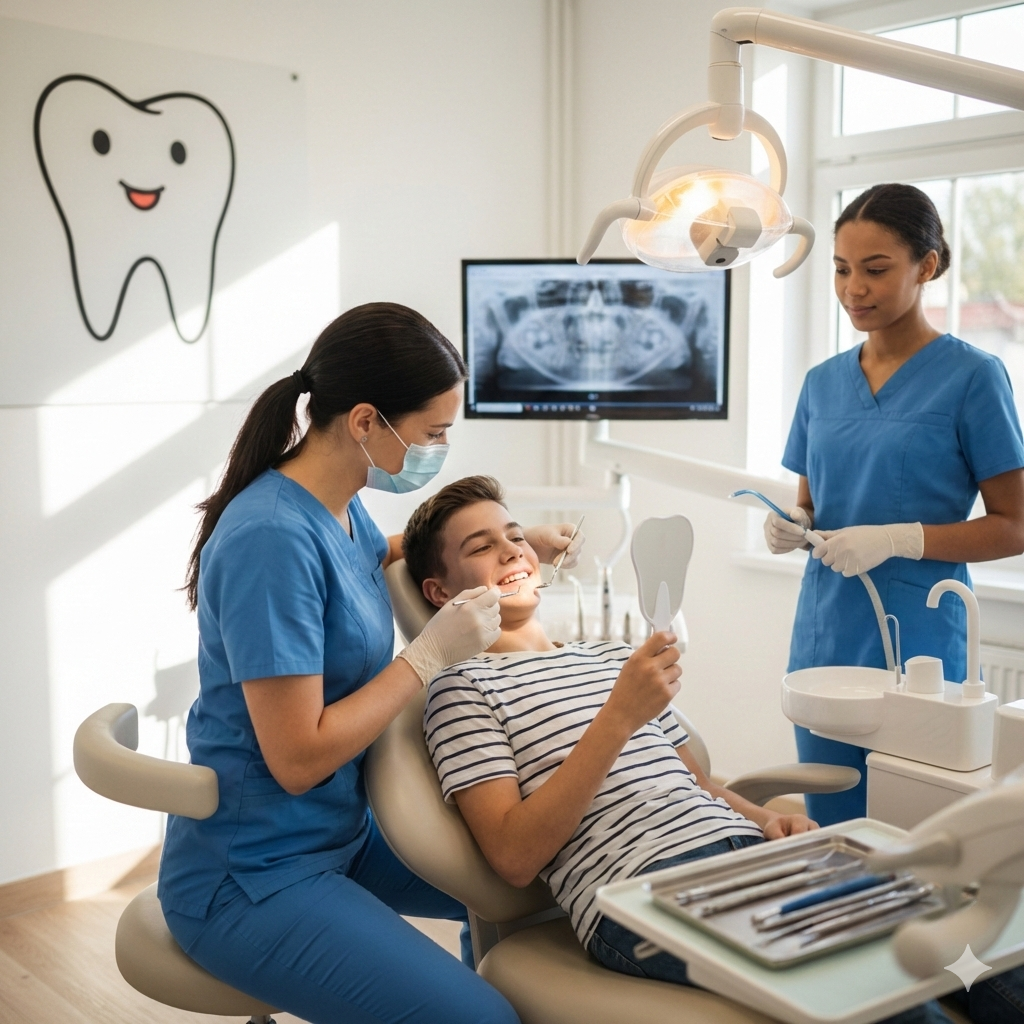
An emergency dentist specializes in treating urgent dental problems that require immediate care. They focus on relieving pain, preventing infection, and saving damaged teeth when unexpected issues occur.
How Emergency Dental Care Differs From Routine Visits
Emergency dental care targets sudden, severe problems that can’t wait for a regular appointment. Unlike routine visits that focus on checkups, cleanings, and prevention, emergency dentists handle situations like intense toothaches, broken teeth, or injury-related trauma.
These visits often happen outside normal office hours or require quick intervention to avoid worsening conditions. The dentist will prioritize relieving pain and stabilizing the problem, which might involve temporary fixes or immediate treatment. Waiting too long can increase risks of infection or permanent tooth damage.
Types of Dental Emergencies
Common dental emergencies include severe tooth pain, knocked-out teeth, cracked or fractured teeth, and swollen gums indicating infection. Lost fillings or crowns, broken braces, and soft tissue injuries like cuts to the tongue or cheeks also require prompt care.
For example, if a tooth is knocked out, quick action within an hour improves chances of saving it. Swelling and severe pain are signs of infection that can spread, needing urgent attention. Emergency dentists evaluate these issues to provide tailored treatment that protects oral health and comfort.
When to Seek an Emergency Dentist in Tallahassee
Knowing the right moment to visit an emergency dentist can save teeth and prevent pain from worsening. Some dental problems need prompt professional care, while others can wait for a routine appointment.
Signs You Need Immediate Dental Attention
If someone experiences severe tooth pain that doesn’t improve with over-the-counter medication, it’s a clear sign to seek emergency care. Sudden swelling in the face or gums may indicate an infection that requires urgent treatment.
Other warning signs include a knocked-out tooth, uncontrollable bleeding after an injury, or a broken tooth causing sharp pain or difficulty chewing. Fever combined with dental pain can also signal a spreading infection, which needs timely dental evaluation.
Common Dental Emergencies in Tallahassee
In Tallahassee, common dental emergencies include sports injuries, accidents, and sudden toothaches. Many cases involve cracked or lost teeth after a fall or collision, especially in active adults and children.
Dental abscesses are also frequent, causing localized swelling and intense discomfort. Emergency dentists here offer quick relief through pain management and infections control, sometimes using antibiotics or drainage procedures to stabilize the condition before follow-up care.
What to Do During a Dental Emergency
Knowing how to respond quickly and calmly can protect your teeth and reduce pain. Immediate actions often make the difference between saving a tooth or needing more extensive treatment.
Steps to Take Before Reaching the Dentist
If a dental emergency happens, the first step is to stay calm and assess the situation carefully. Rinse your mouth gently with warm water to clean the area. Avoid swallowing any blood or debris.
For bleeding, apply gentle pressure with a clean gauze or cloth for 10-15 minutes. If swelling occurs, use a cold compress on the outside of the cheek for 10 minutes to reduce it.
Avoid eating or drinking until you get professional advice unless you need to take pain medication. Gather any broken tooth pieces or foreign objects to bring along to the dentist, as they might help with treatment.
Handling Toothaches, Broken Teeth, and More
Toothaches can often be eased by rinsing with warm water and using floss to remove trapped food. Over-the-counter pain relievers can help but avoid applying aspirin directly to the gums. If the pain is severe or lasts more than a day, see a dentist.
A broken or chipped tooth should be saved if possible. Rinse the area and hold the fragment in milk or saline solution until dental care is available. Avoid biting down on the damaged tooth.
For a knocked-out tooth, pick it up by the crown, not the root, and keep it moist. Ideally, place it back in its socket or store it in milk or saline. Immediate dental care is vital to improve chances of reimplantation.
If any soft tissue is injured, rinse with salt water and apply gentle pressure to control bleeding. Seek emergency care if bleeding doesn’t stop or if there is severe pain or swelling.
Finding the Right Emergency Dentist in Tallahassee
Choosing an emergency dentist means balancing quick access to care, trusted expertise, and treatments that ease pain effectively. The right practice blends reliable availability with a warm environment and updated technology to handle unexpected dental problems.
Qualities to Look For in a Dental Practice
A good emergency dentist in Tallahassee should have a reputation for clear communication and patient-focused care. Patients feel more at ease when the dentist listens carefully and explains the treatment options without jargon.
Credentials matter, too. Look for dentists who are licensed, experienced in handling dental emergencies, and have positive reviews. Friendly staff and an inviting office environment are signs a practice values patient comfort, making visits less stressful after an urgent injury.
Availability and Response Times
When a dental emergency strikes, speed is critical. The best emergency dentists offer same-day appointments, weekends, or 24/7 access, reducing wait times during pain or trauma.
Some clinics provide a direct phone line for emergencies, ensuring immediate guidance. Clear protocols for walk-ins or after-hours calls help patients get the care they need without confusion.
Always verify a practice’s emergency hours before an urgent situation arises to avoid unnecessary delays.
Modern Treatment Options and Patient Comfort
Modern emergency dental offices in Tallahassee use up-to-date equipment to provide quick, effective care. Technologies like digital X-rays and laser treatment minimize discomfort and speed recovery.
Patient comfort features often include sedation options, cozy treatment rooms, and pain management strategies tailored to individual needs. This approach helps reduce anxiety and makes unforeseen dental problems easier to manage.
Choosing a practice that invests in both technology and comfort leads to better outcomes when it matters most.
Typical Emergency Dental Treatments
Emergency dental care focuses on quickly managing pain, fixing damage, and preventing further problems. Treatments may vary, but they usually aim to stop discomfort, stabilize the condition, and protect your long-term dental health.
Pain Relief and Temporary Solutions
When someone comes in with sudden tooth pain or injury, the first priority is easing their discomfort. Dentists often use local anesthesia to numb the area instantly, allowing them to work without causing more pain.
Temporary measures, like placing a sedative dressing or a temporary crown, help shield the affected tooth from further damage or sensitivity. For example, if a filling falls out or a tooth chips, a quick restoration can protect the nerves inside until a permanent solution is arranged.
Pain relief might also include recommending over-the-counter anti-inflammatory medications and giving advice on ice packs or gentle rinsing to reduce swelling or inflammation at home.
Restorative Procedures
Once pain is under control, the dentist focuses on repairing the tooth. Common procedures include dental bonding for minor chips, root canals for infected nerves, or crown placements if a tooth is cracked or weakened.
If a tooth is knocked out, the dentist will try to re-implant it immediately, ideally within an hour, to improve chances of saving it. In other cases, they may extract severely damaged teeth to prevent infection or complications.
Modern emergency dental care uses durable materials that match your natural teeth in appearance and function, helping patients feel confident about their smiles after treatment.
Prevention of Future Issues
After handling the emergency, dentists often discuss ways to avoid similar problems. This may involve advice on wearing mouthguards during sports, improving oral hygiene routines, or scheduling regular checkups.
Sometimes, they recommend treatments like sealants or fluoride applications to strengthen teeth prone to decay or injury.
Preventive care is about giving patients tools and knowledge to protect their smiles long-term, reducing the need for future urgent visits. It’s always easier to avoid an emergency than to fix one.
Caring for Your Smile After Emergency Treatment
Proper care after an emergency dental visit helps protect your healing smile and prevents further issues. Following professional advice and maintaining strong oral hygiene supports recovery and long-term dental health.
Recovery Tips and Aftercare
After emergency dental treatment, patients should stick to soft foods like yogurt, mashed potatoes, or soup for at least 24-48 hours. Avoid hot, spicy, or acidic foods that could irritate the treated area.
Pain management usually includes over-the-counter pain relievers, but taking medications exactly as directed is important. Applying a cold compress can help reduce swelling in the first 24 hours.
Patients should keep the mouth clean by gently rinsing with warm salt water several times a day. Brushing and flossing need to be gentle around the treatment site to avoid disturbing any stitches or sensitive tissue.
Avoid smoking or using straws as these can dislodge blood clots and delay healing. Follow-up appointments should be kept to monitor progress and address any complications early.
Long-Term Dental Health Strategies
Once healing is underway, regular dental checkups become key to preventing future emergencies. Patients should maintain daily brushing with fluoride toothpaste and floss at least once a day.
Using a mouthguard during sports or nighttime grinding can protect teeth from trauma and wear. A balanced diet rich in vitamins and minerals also supports strong teeth and gums.
Avoid excessive sugary snacks and drinks that encourage decay. If the emergency treatment involved restorations like crowns or fillings, it’s important to watch for any signs of loosening or discomfort.
Building a trusting relationship with a local dentist helps ensure prompt care if new problems arise. Consistent dental visits focus on prevention and early treatment, keeping smiles healthy long term.
Why Prompt Care Matters in Dental Emergencies
Quick action during a dental emergency can save teeth and reduce pain. It also helps prevent complications that can affect other areas of health. Understanding the risks and the connection between oral and overall health highlights why immediate care is important.
Risks of Delaying Treatment
Delaying treatment after a dental injury or sudden pain can lead to worsening problems. For example, a cracked tooth left untreated may split further or become infected. Infections from untreated abscesses can spread rapidly, causing severe pain and swelling.
Pain that seems minor might mask serious damage like root fractures or nerve issues. Waiting too long can limit treatment options, sometimes making extraction the only solution. Prompt care often means less invasive procedures and a better chance of saving the natural tooth.
Protecting Your Overall Health
Oral infections can affect more than just the mouth. Bacteria from untreated dental issues can enter the bloodstream, increasing the risk of heart problems or infections in other parts of the body. This link shows why dental emergencies aren’t just about teeth—they impact total health.
Furthermore, untreated pain and infection can interfere with eating, sleeping, and daily activities. Prompt treatment helps restore comfort and keeps your body functioning properly. Taking quick action supports both oral health and overall well-being, minimizing risks beyond the dentist’s chair.
How to Prepare for Dental Emergencies in Tallahassee
Knowing how to handle a dental emergency starts with having practical steps ready and a reliable dental contact. This preparation can lessen pain, prevent further damage, and speed up effective treatment when urgent care is needed.
Home First Aid for Dental Issues
Immediate actions taken at home can greatly impact the outcome of a dental emergency. For a knocked-out tooth, it’s crucial to hold it by the crown, rinse it gently with water, and try to place it back in the socket if possible. If not, storing it in milk or saline can help preserve it until reaching a dentist.
For a painful toothache, rinsing with warm salt water and using over-the-counter pain relievers can reduce discomfort. Avoid placing aspirin directly on the gums as it may cause tissue damage. Applying a cold compress outside the cheek can also reduce swelling.
Building a Relationship With Your Local Dentist
Having a trusted dentist in Tallahassee before an emergency occurs will make urgent visits smoother. Scheduling regular checkups helps identify potential issues early and builds familiarity with the dental office staff and procedures. This relationship ensures quicker access to emergency appointments and personalized care.
Patients should ask about after-hours availability and emergency protocols at their local clinic. Knowing who to call and where to go in advance reduces stress when urgent dental problems arise. It’s smart to keep contact information handy, both digitally and on paper.
Taking the Next Step: Consult an Emergency Dentist in Tallahassee
When sudden dental pain or injury strikes, reaching out to an emergency dentist in Tallahassee can make a big difference. They understand the urgency and are ready to provide prompt care that targets the problem quickly and gently.
Emergency dentists offer flexible appointment times, often with same-day visits. This means patients don’t have to wait in discomfort or worry about worsening symptoms. Quick assessment and treatment help prevent complications.
Here’s what to expect during your visit:
- A friendly, thorough examination to locate the issue
- Immediate pain relief strategies
- Practical advice for care at home before follow-up appointments
Many clinics use modern technology for faster, less invasive treatments. This focus on comfort helps calm nerves while addressing the emergency efficiently.
If a knocked-out tooth, severe toothache, or swollen gums occur, it’s wise not to delay. Protecting your oral health early can save time and reduce costs later.
Encourage friends and family to know where to find emergency dental help nearby. Being prepared is part of good dental care.
Reaching out to a trusted Tallahassee emergency dentist is a simple step toward relief and recovery. Patients who ask questions and communicate openly tend to feel more at ease during treatment.
Frequently Asked Questions
Accessing dental care quickly can make all the difference during an emergency. Knowing where to go and what to expect in Tallahassee helps reduce stress and ensures timely treatment.
What options are available for after-hours dental care in Tallahassee?
Several dental practices in Tallahassee offer after-hours appointments, typically during weekday evenings. Some urgent care facilities also provide limited dental services when regular offices are closed.
How can I find a dentist in Tallahassee that is open on weekends?
Many dental offices in Tallahassee schedule weekend hours to accommodate busy patients. Searching online directories or calling local clinics directly can reveal weekend availability.
Are there any 24/7 emergency dental services in Tallahassee for urgent dental issues?
While 24/7 dental offices are rare, some hospitals and urgent care centers in Tallahassee provide emergency dental treatment outside normal hours. It’s helpful to identify these before an emergency occurs.
Can you suggest affordable dental clinics in Tallahassee for urgent dental care?
Community health centers and dental schools in Tallahassee often offer urgent dental care at lower costs. These clinics prioritize patient affordability without compromising on professional care.
Which dental offices in Tallahassee are best equipped to handle dental emergencies?
Dental practices with specialists in oral surgery and endodontics are typically better equipped for complex emergencies. Many of these clinics feature advanced imaging tools and sedation options to manage pain effectively.
How do I prioritize my dental issue for immediate attention in Tallahassee?
Severe pain, uncontrolled bleeding, knocked-out teeth, or swelling that affects breathing require immediate care. Less urgent problems, like minor chips or sensitivity, can usually wait for a scheduled appointment.