


You want a reliable implant dentist in Tallahassee who combines skill, comfort, and predictable outcomes — someone who listens to your concerns and designs a plan that fits your life. The best implant dentist in Tallahassee offers experienced surgical skill, personalized treatment planning, and modern materials to restore function and appearance with long-term success.
They explain what to expect at each step, use updated techniques to minimize discomfort, and coordinate follow-up care so your implants last. If you value clear communication, thoughtful planning, and a calm, patient-focused office, the rest of this article highlights how to find that ideal practice and answers the common concerns that matter most.
What to Expect With Dental Implants
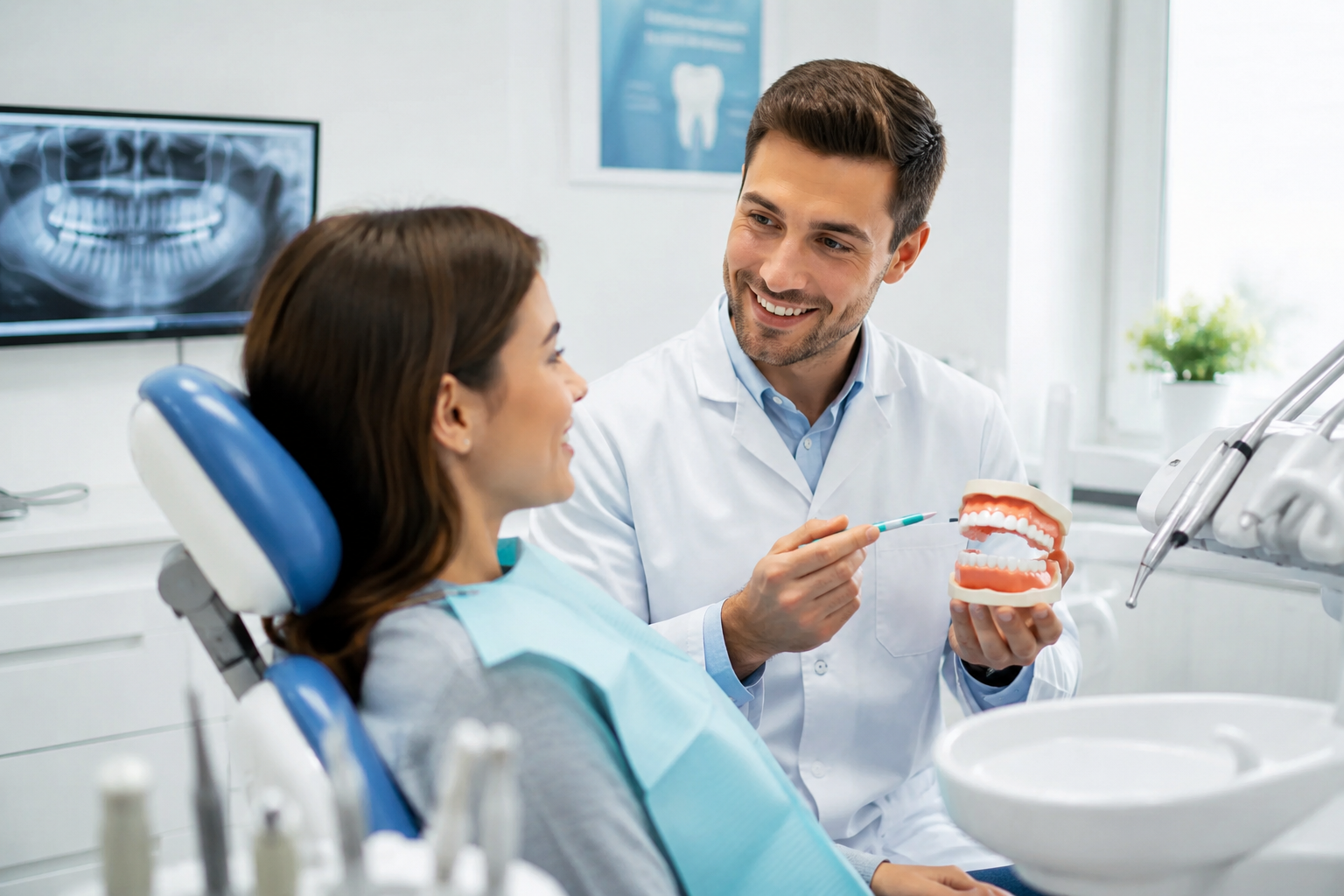
Dental implants replace missing teeth with a titanium post, a healing period for bone integration, and a final crown that looks and functions like a natural tooth. The steps include evaluation, surgery, and staged recovery with predictable timelines and common sensations to expect.
How Dental Implants Work
A dental implant starts with a titanium screw placed into the jawbone to act as an artificial tooth root. Bone cells gradually fuse to the implant through osseointegration, creating a stable foundation for a crown, bridge, or denture.
After integration, an abutment connects the implant to a custom-made crown. The crown is shaped and shaded to match surrounding teeth for natural appearance and bite function. Modern implants use high-grade titanium or zirconia for strength and biocompatibility.
Patients often ask about success rates and longevity. With proper care—regular hygiene, routine dental visits, and avoiding tobacco—implants commonly last decades. Risk factors that might affect outcome include uncontrolled diabetes, heavy smoking, or inadequate bone volume.
Stages of the Procedure
Initial evaluation includes medical history, 3D imaging, and treatment planning to confirm bone volume and implant position. This visit may also include impressions and a discussion of anesthesia options, like local anesthetic with sedation.
Surgical placement of the implant typically takes 30–90 minutes per implant. The dentist or oral surgeon places the titanium post into bone, then covers it with a healing cap or gum tissue. Some patients receive a temporary tooth if aesthetics matter for front teeth.
The second stage, often 3–6 months later, involves attaching an abutment and taking final impressions for the permanent crown. In some cases, immediate-load implants allow a temporary crown the same day, but this depends on bone quality and primary stability. Bone grafting or sinus lift procedures may extend the timeline.
Recovery and Healing Timeline
Immediate recovery lasts 48–72 hours and commonly includes mild swelling, bruising, and discomfort controlled with prescribed or over-the-counter pain relievers. Ice packs, soft foods, and avoiding strenuous activity reduce complications in the first few days.
Osseointegration generally takes 3–6 months depending on jaw location and bone health; lower jaw often heals faster than upper jaw. During this time, patients should maintain gentle oral hygiene, avoid smoking, and attend follow-up visits to monitor healing.
After final crown placement, patients may experience minor sensitivity for a few days as bite forces normalize. Routine care—brushing twice daily, flossing around implants, and semiannual checkups—helps protect the investment. If pain, persistent swelling, or loosening occurs, prompt dental contact can identify and treat issues early.
Essential Qualities in a Tallahassee Implant Dentist
Patients should look for a dentist who combines proven surgical skill, modern diagnostic tools, and a practice culture that prioritizes comfort and clear communication. Those factors determine predictable outcomes, shorter treatment times, and less anxiety during care.
Experience and Specialized Training
A qualified implant dentist in Tallahassee should have documented fellowship, residency, or continuing-education hours specifically in implantology or oral surgery. Look for credentials such as an implant fellowship, board certification in oral and maxillofacial surgery, or a prosthodontist who completes advanced implant courses. Those distinctions show training beyond a general dentistry degree.
Case volume matters. Dentists who place dozens to hundreds of implants per year develop pattern recognition for anatomy and complications, which reduces operative time and improves long-term success rates. Ask about how many implant cases the dentist personally places and restores annually.
Examine before-and-after records and request references. Reliable practices keep comprehensive clinical photos, 3D imaging records, and long-term follow-up data for previous implant patients. Verifiable outcomes and documented retreatment rates help gauge real-world experience.
Use of Advanced Technology
Routine use of cone-beam CT (CBCT) scanning is critical for safe implant planning. CBCT shows bone volume, nerve positions, and sinus anatomy in three dimensions, letting the dentist avoid complications and select implant size and angle precisely.
Guided-surgery planning software and 3D-printed surgical guides translate the digital plan into accurate implant placement. When combined with digital impressions and CAD/CAM restorations, this workflow shortens chair time and improves prosthetic fit.
In-office amenities such as a dedicated implant surgical suite, intraoral scanners, and on-site lab capabilities speed treatment and reduce lab errors. Practices that use these technologies usually offer predictable healing timelines and better esthetic outcomes.
Focus on Patient Comfort
Clear, compassionate communication starts the comfort process. Good implant dentists explain each step in plain language, outline expected sensations, and give written post-op instructions. They answer concerns about pain, swelling, and recovery time candidly.
Pain control options should include local anesthesia, nitrous oxide, oral sedation, or IV sedation depending on patient anxiety and procedure complexity. A practice that offers multiple sedation levels and monitors vital signs during procedures reduces patient stress and improves safety.
Postoperative support matters. Look for short-notice follow-ups, direct phone access for urgent questions, and a co-managed plan with a restorative dentist or lab technician. These elements shorten recovery uncertainty and help patients return to normal activities faster.
Personalized Treatment Planning
This practice builds treatment plans around a patient’s anatomy, health history, budget, and lifestyle. It prioritizes predictable outcomes, comfort during procedures, and long-term tooth function.
Comprehensive Consultation Process
The consultation begins with a medical and dental history review to identify conditions like diabetes or osteoporosis that affect healing. They take full-mouth digital X-rays and a CBCT scan when necessary to map bone volume and nerve locations precisely.
During the clinical exam, the dentist evaluates gum health, bite alignment, and adjacent teeth to determine implant site suitability. The team discusses anesthesia options — local, nitrous oxide, or IV sedation — and explains expected healing timelines and postoperative care.
They provide a written estimate and a timeline, including phases such as extraction, bone grafting, implant placement, and crown delivery. Patient questions about aesthetics, eating, and speech are addressed with visual aids and sample cases to set realistic expectations.
Custom Implant Solutions for Each Patient
Treatment options vary by bone quality, number of missing teeth, and occlusion. Choices include single-tooth implants with screw-retained crowns, implant-supported bridges, or full-arch fixed restorations like All-on-4 when multiple teeth are missing.
When bone volume is insufficient, surgeons propose targeted grafts or sinus lifts and explain materials—autograft, allograft, or synthetic—plus pros and cons for healing and cost. They select implant diameter, length, and surface texture matched to bone density and bite forces.
The restorative plan covers prosthetic materials (porcelain fused to zirconia, monolithic zirconia, or hybrid prostheses) and retention methods, with photos of similar cases. They schedule follow-ups and maintenance protocols, emphasizing home care and routine hygiene visits to protect implant longevity and function.
Modern Techniques and Materials
This clinic uses precise imaging and proven implant materials to plan treatment and improve long-term results. Patients benefit from faster diagnosis, minimally invasive placement, and materials chosen for strength and biocompatibility.
Benefits of Digital Imaging
Digital CBCT and intraoral scanners allow three-dimensional views of bone volume, nerve locations, and sinus position before any incision. That detailed anatomy reduces surprises during surgery and helps the dentist plan ideal implant diameter, length, and angulation.
Scan-based surgical guides translate the plan into the mouth with millimeter-level accuracy, which often shortens chair time and reduces postoperative swelling. Digital records also let clinicians simulate final tooth positions, so patients see expected outcomes and choose restorative options with confidence.
Digital imaging supports safer immediate-placement and same-day temporary restorations when bone and soft tissue are sufficient. It also helps monitor healing and integrate records for future care without repeated X-rays.
Types of Implant Materials Available
Titanium alloys (commonly Ti-6Al-4V) remain the clinical standard for most patients because of proven osseointegration, high strength, and decades of study. Titanium implants suit single-tooth, full-arch, and load-bearing posterior restorations.
Zirconia (ceramic) implants provide an option for patients with metal sensitivities or a strong preference for a metal-free restoration. Zirconia offers good aesthetics in the anterior zone and resists corrosion, though long-term data is less extensive than titanium.
Abutments and crowns use materials matched to the clinical need: titanium or zirconia abutments for strength and custom or layered ceramic crowns for natural appearance. Dentists discuss bone quality, bite forces, and aesthetic goals to select the optimal material combination for each patient.
Caring for Your Implants Long-Term
Maintain gentle, consistent home care and keep scheduled professional checkups to protect implants, surrounding gums, and restorations. Small, daily habits and periodic professional maintenance together prevent complications and extend the life of implants.
Daily Hygiene Tips
Brush twice daily with a soft-bristled brush and a non-abrasive fluoride toothpaste to remove plaque without scratching implant crowns. Angle the brush at 45 degrees to the gum line and use short, gentle strokes along the implant and adjacent teeth.
Use an interdental brush sized to fit the space between the implant crown and adjacent teeth; nylon-coated wire prevents scratching. Floss daily with implant-specific floss (floss with a stiffened end or a floss threader) or a water flosser set to low–medium pressure to flush biofilm from under the restoration.
Rinse once daily with an antimicrobial mouthwash if recommended by the dentist, especially when gum inflammation is present. Avoid hard or sticky foods that can chip crowns, and stop smoking to reduce peri-implantitis risk.
Recommended Checkups and Maintenance
Schedule a professional check every 3–6 months the first year after implant placement; most patients settle into 6-month intervals after stable healing. These visits include clinical exams, periodontal probing around the implant, and professional cleaning with instruments safe for implant surfaces.
Expect periodic radiographs (periapical or CBCT when indicated) to monitor bone levels and detect early bone loss. If probing depths increase, bleeding occurs, or mobility appears, the dentist may recommend more frequent visits, localized treatment, or referral to a specialist.
Discuss occlusal adjustments and nightguard options if bruxism is present to protect the implant restoration. Keep a record of any changes—soreness, looseness, or gum swelling—and contact the dental office promptly if problems arise to preserve implant health.
Finding the Right Dental Practice in Tallahassee
Look for a practice that combines experience in implants, clear costs, and a comfortable office environment. Prioritize clinicians who use CBCT imaging, offer sedation options, and communicate timelines for surgery and restorations.
What to Look for in Patient Reviews
Patient reviews often reveal consistency in clinical skill and bedside manner. Focus on comments about implant success, how long restorations lasted, and whether follow-up care matched expectations.
Note specifics: mentions of CBCT scans, same-day provisional crowns, or coordination between surgeon and restorative dentist indicate a higher level of care. Pay attention to reports of infection or repeated adjustments; those signal potential technical or communication problems.
Also weigh descriptions of the office team. Reviews that highlight clear pre-op instructions, punctual appointments, and empathy during procedures matter for anxiety-prone patients. Filter out single extreme reviews and look for patterns over a year or two to judge reliability.
Financial Options and Insurance
Confirm whether the practice accepts major dental insurers and which specific plans they list. Implant treatment often spans multiple visits and providers (surgeon, lab, restorative dentist), so ask for a written estimate broken into phases: consultation, surgery, implant fixture, abutment, and crown.
Look for practices that offer payment plans, third‑party dental financing (e.g., CareCredit), or in‑house financing with clear interest terms. Verify whether the practice pre-submits claims or provides a predetermination to estimate insurer coverage.
Ask about warranty or maintenance policies: some offices include a limited warranty on crowns or provide discounted maintenance visits for implant patients. These details affect total cost and long-term value.
Addressing Common Concerns About Implants
Patients often worry about procedure safety, long-term success, and the emotional side of dental work. This section explains realistic risks, success rates, and practical ways to reduce anxiety before and during implant treatment.
Understanding Risks and Success Rates
Dental implants have well-documented success when placed and maintained properly. Typical success rates range from about 90–98% over five to ten years, depending on factors like bone quality, smoking status, and overall health.
Common, manageable risks include infection at the implant site, minor bleeding, and temporary nerve irritation. Serious complications — such as implant failure or nerve damage — are uncommon and often linked to preexisting conditions or poor aftercare.
Clinics in Tallahassee should perform a thorough assessment: CBCT scans to evaluate bone volume, medical history review (diabetes, osteoporosis, smoking), and discussion of medications affecting healing. Good predictors of success include adequate bone, excellent oral hygiene, and adherence to follow-up appointments.
Patients can improve outcomes by quitting smoking, controlling blood sugar if diabetic, and following post-op instructions like avoiding heavy chewing on the implant for the first months.
Managing Dental Anxiety
Many patients feel anxious about oral surgery; clinics in Tallahassee commonly offer strategies to make the visit more comfortable. Clear pre-visit communication reduces fear: staff should explain each step, approximate timings, and expected sensations during and after placement.
Sedation options vary from oral sedatives and nitrous oxide to IV sedation for deeper relaxation. Dentists should review medical history and discuss risks and recovery for each sedation method.
Practical measures during visits include scheduling morning appointments for reduced pre-procedure worry, using noise-cancelling headphones, and providing written post-op care plans. Encouraging questions and offering follow-up calls reassures patients and improves adherence to care.
When patients choose a dentist experienced in implants and patient comfort, anxiety tends to decrease and satisfaction rises. Consider scheduling a consultation to discuss sedation and pain-management preferences.
Taking the Next Step Toward a Healthy Smile
Patients who consider dental implants often feel relieved when they learn about predictable outcomes and modern techniques. They can expect a thorough evaluation that includes oral health review, imaging, and a personalized treatment plan tailored to their needs.
Comfort and safety receive priority during every phase. Dentists commonly offer options like local anesthesia, sedation, and step-by-step explanations to reduce anxiety and make visits more manageable.
Practical next steps usually include a consultation, diagnostic scans, and a discussion of financing or insurance. Bringing a list of questions and any dental records helps the team create an efficient appointment and a clear timeline.
Patients benefit from comparing providers on key points: experience with implants, restored case photos, patient reviews, and the technologies used. The table below highlights simple questions to ask at a consultation.
| Question to Ask | Why it matters |
|---|---|
| How many implant cases have you placed/restored? | Indicates practical experience |
| Do you use CBCT imaging? | Improves diagnosis and planning |
| What sedation options are available? | Affects comfort during treatment |
| Can I see before/after photos or patient testimonials? | Shows real outcomes |
They should contact a trusted Tallahassee implant dentist to schedule an evaluation, discuss options, and get a transparent cost estimate. A short consultation often clears doubts and sets a comfortable path forward.
Frequently Asked Questions
This section answers common practical concerns about implant specialists, costs, consultations, comfort, medical eligibility, and payment options. It focuses on what patients in Tallahassee should expect and what to ask when choosing care.
What type of dental specialist should I look for when getting dental implants?
Look for a provider experienced in implant dentistry, such as an oral and maxillofacial surgeon, periodontist, or a general dentist with advanced implant training. Check credentials like residency training, implant fellowship, or continuing education from recognized programs.
Ask whether the practice plans and places implants in-house or coordinates care with specialists. Confirm how many implant cases they perform yearly and request before-and-after photos of similar cases.
How much do dental implants typically cost in Florida, and what can make the price go up or down?
Single-tooth implant costs in Florida typically range from $2,500 to $5,500, including the implant, abutment, and crown. Prices rise with additional procedures like bone grafts, sinus lifts, or complex extractions.
Material choice (zirconia vs. titanium), digital planning, and the lab quality for the crown influence price. Clinic location, dentist expertise, and whether the practice uses in-house 3D imaging also affect cost.
What should I expect during an implant consultation and planning visit?
The consultation usually includes a medical and dental history review, 3D cone-beam CT imaging, and an oral exam to assess bone volume and nearby structures. The provider explains treatment options, timelines, and any prerequisites like extractions or grafts.
Patients receive a treatment plan with estimated costs, appointment sequence, and healing expectations. The practice should discuss alternatives, risks, and success rates tailored to the patient’s situation.
Do dental implants hurt, and what are the most comfortable sedation options available?
Most patients feel pressure rather than sharp pain during implant placement because local anesthesia numbs the area. Postoperative soreness and swelling are common for a few days and respond to prescribed or over-the-counter pain relievers.
Sedation options include oral sedatives, nitrous oxide (laughing gas), and IV sedation for deeper relaxation. Providers should review medical history and recommend the safest option, and trained staff monitor patients throughout the procedure.
Can I get dental implants if I have an autoimmune condition or other medical concerns?
Many patients with autoimmune conditions can receive implants, but success depends on disease control and medications. Conditions like uncontrolled diabetes, active chemotherapy, or certain immunosuppressive therapies may increase risk and require medical clearance.
The implant dentist should coordinate with the patient’s physician to assess healing capacity and adjust treatment timing or prophylactic measures. A personalized risk-benefit discussion helps decide whether implants remain the best option.
Are there financing options for implants if I don’t have dental insurance, and what should I ask about payment plans?
Many practices offer third-party financing (CareCredit, LendingClub) and in-office payment plans that split costs over several months. Ask about interest rates, monthly payments, and any fees for deferred payments.
Clarify what the quoted price includes and whether follow-up visits, temporary restorations, or complications are covered. Confirm refund or revision policies and whether insurance claims assistance is available.