


You want an affordable dental implant in Tallahassee that feels like a natural, lasting solution without breaking the bank. Many local clinics and financing plans make implants accessible, often costing less than you expect once you factor in payment options and bundled treatment plans.
They explain what implants involve, how local prices are set, and where you can find budget-friendly options and reputable providers nearby. Expect clear guidance on treatment steps, recovery, and maintenance so you can weigh long-term value against upfront cost and feel confident about the next step toward a complete smile.
Understanding Dental Implants
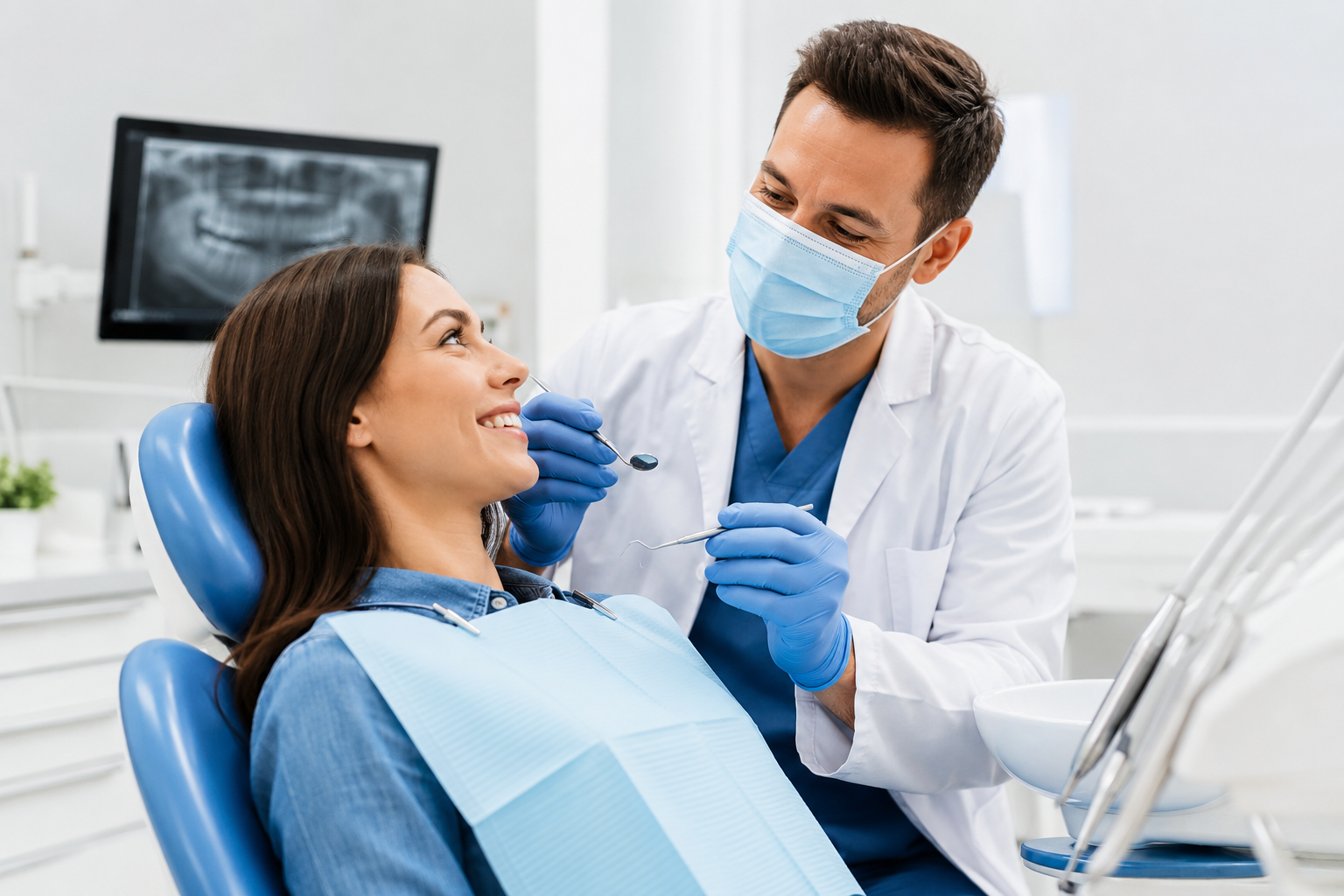
Dental implants replace missing teeth with a mechanical root, a supportive abutment, and a final crown or denture. They restore chewing function, improve appearance, and protect jawbone health.
What Are Dental Implants?
A dental implant is a titanium or zirconia post surgically placed into the jawbone to act as an artificial tooth root. Once the bone bonds to the implant (osseointegration), a small connector called an abutment attaches, and a custom crown, bridge, or denture sits on top.
Common implant components:
- Fixture (implant): the root-like post.
- Abutment: connector between implant and prosthetic.
- Prosthetic: crown, bridge, or denture matched to the patient’s bite and shade.
Implants can support a single tooth, multiple teeth, or whole-arch restorations. They require sufficient bone volume and healthy gums to succeed. Typical timelines span 3–6 months for healing before final restoration, though same-day options exist for qualified patients.
Benefits of Dental Implants Over Other Solutions
Implants preserve jawbone by transmitting chewing forces into bone, which helps prevent the bone loss common after tooth loss. Bridges require adjacent teeth to be ground down, while implants stand alone and leave neighboring teeth untouched.
Key advantages:
- Durability: implants often last decades with proper care.
- Function: implants restore near-natural chewing efficiency.
- Aesthetics: crowns are color-matched and shaped for a natural look.
- Comfort: implants eliminate the slipping and sore spots associated with removable dentures.
Patients also report improved speech and confidence compared with loose dentures. Cost varies by case, but long-term value can be higher due to fewer replacements and reduced need for additional dentistry.
Candidacy and Suitability
Ideal candidates are adults with one or more missing teeth, adequate jawbone volume, and healthy gum tissue. Controlled chronic conditions (like diabetes) do not automatically disqualify a patient, but they must be managed.
Assessment typically includes:
- Medical and dental history review.
- 3D imaging (CBCT) to measure bone height and density.
- Clinical exam of gums and bite.
Bone grafting or sinus lift procedures can expand candidacy for patients with insufficient bone. Smoking, poor oral hygiene, and untreated periodontal disease increase failure risk and require mitigation. A treatment plan will outline timelines, costs, and any preparatory procedures, helping patients make an informed choice and plan next steps.
Cost Factors in Tallahassee
Pricing depends on implant type, number of teeth, bone health, and the clinic’s technology and experience. Many clinics offer payment plans, but out-of-pocket costs vary by treatment complexity and materials used.
How Prices Are Determined
Clinics set implant fees based on the implant system brand, the practitioner’s training, and the level of imaging or guided-surgery planning required. For example, a single titanium implant from a well-known brand placed by a board-certified oral surgeon using cone-beam CT and a surgical guide will cost more than a basic implant placed by a general dentist without guided planning.
Patient factors also change pricing. Poor bone volume can require bone grafting or sinus lifts, adding procedure and material fees. Multiple missing teeth may allow for implant-supported bridges or dentures, which change per-unit pricing and lab costs.
Local market factors matter too. Tallahassee’s supply costs, lab fees, and competition influence fees. Clinics with advanced in-house labs or same-day crown milling may charge higher initial fees but reduce repeat visits.
What’s Included in the Cost
Standard single-implant quotes usually include the implant fixture, healing abutment, and a final crown or prosthetic. Many offices bundle the surgical placement and restoration but list imaging, lab work, and follow-up visits as separate line items.
Pre-surgical exams, cone-beam CT scans, and temporary crowns are sometimes extra. When clinics advertise “all-inclusive” pricing, confirm whether it covers diagnostic imaging, bone grafts, sedation, lab fees for custom crowns, and post-op visits.
Insurance coverage rarely pays the full implant fee; it may cover only part of the crown or extraction. Clinics often provide an itemized estimate showing which services are included, which helps patients compare true costs between providers.
Potential Additional Expenses
Bone grafts and sinus lifts are common add-ons for patients with insufficient jawbone; these can add several hundred to a few thousand dollars. Soft-tissue grafts to improve gum aesthetics or long-term implant health can also increase the total.
Sedation choices—local anesthesia, oral sedatives, or IV sedation—carry different fees. Complications like infection or implant failure are uncommon but can require additional surgery and fees if they occur. Replacement of worn or broken prosthetic parts over years may add maintenance costs.
Travel time or multiple specialist visits (periodontist plus restorative dentist) can raise logistical expenses. Ask the clinic for written estimates, financing options, and a timeline that clarifies when additional costs typically appear.
Budget-Friendly Options
This section outlines practical ways to manage implant costs through payment choices, insurance realities, and local low-cost resources. Each option focuses on clear steps residents in Tallahassee can take to reduce out-of-pocket expense while maintaining quality care.
Payment Plans and Financing
Many Tallahassee dental offices offer in-house payment plans that split implant treatment into manageable monthly payments. Typical plans require a down payment of 10–30% and fixed monthly installments over 6–36 months; interest may be 0% for promotional periods or a modest APR afterward.
Dental practices often partner with third-party lenders like CareCredit, LendingClub Patient Solutions, or local credit unions. CareCredit commonly provides 6–24 months interest-free options for dental implants if paid within the promotional window; longer terms carry interest that should be compared before signing.
Patients should request a written cost breakdown covering consultation, imaging (CBCT), implant placement, abutment, and crown. Ask the office if financing covers complications or revisions and whether lab fees are included. Getting pre-approved and comparing APRs, payment length, and total cost helps pick the best plan.
Insurance and Coverage
Most dental insurance plans consider implants as a restorative procedure and may cover part of the crown, but many exclude implant hardware. Patients should review their plan’s prosthodontics and major services sections to see limits and waiting periods. Employer plans, Delta Dental, and Florida Blue vary widely, so verification is essential before treatment.
Patients can file pre-treatment estimates with their carrier to learn expected coverage amounts and patient responsibility. Flexible Spending Accounts (FSA) and Health Savings Accounts (HSA) allow the use of pre-tax dollars for implants; verify plan rules and available balances. For those with limited coverage, combining partial insurance reimbursement with a financing plan often reduces immediate out-of-pocket cost.
Community Clinics and Local Programs
Tallahassee offers community dental clinics and nonprofit programs that provide lower-cost oral surgery and restorations. Examples include county health department dental services and university dental programs where supervised residents perform care at reduced fees. These clinics usually require an application, proof of income, or sliding-scale eligibility.
Look for periodic dental charity events and implant outreach days hosted by local dental societies; these can provide discounts or staged treatment options. Patients should confirm clinic capabilities—some sites place implants but refer advanced cases to specialists. Contact clinics directly to ask about wait times, available sedation options, and whether imaging and laboratory fees are included.
Choosing a Local Implant Provider
Selecting the right office affects comfort, cost, and long-term success. Patients should prioritize clinical experience, clear pricing, and a treatment plan that fits their schedule and health needs.
Qualities to Look For
Look for a practice where implant placement and restoration occur under one roof or through a well-coordinated team. This reduces scheduling delays and miscommunication between surgeon and restorative dentist.
Verify the clinician’s training: members of the American Academy of Implant Dentistry (AAID) or fellows of the International Congress of Oral Implantologists (ICOI) indicate advanced, focused study. Ask how many implants the clinician places per year; higher case volume usually means more predictable outcomes.
Confirm the office uses modern diagnostics: cone beam CT (CBCT) imaging, digital impressions, and guided surgery. Those tools improve planning and reduce surprise costs.
Check reviews and before/after photos for cases similar to the patient’s situation (single tooth, multiple teeth, edentulous arches). Also note the office’s sedation options and pain-management protocols for anxious or medically complex patients.
Questions to Ask at Your Consultation
Ask for a detailed written estimate that separates implant component costs: implant body, abutment, crown, grafting, and imaging. Clear itemization prevents hidden fees.
Request a step-by-step timeline: consultation, imaging, extraction (if needed), grafting, implant placement, healing time, and final restoration. Knowing intervals helps with work and travel planning.
Inquire about alternatives and success rates specific to the practice’s patient population (smokers, diabetics, bone graft recipients). Ask how complications are handled and whether a warranty or follow-up care is included.
Clarify financing: monthly payment plans, third-party lenders, or in-house options. Confirm which insurance codes they bill and whether they help submit claims.
Understanding Treatment Timeline
Typical timelines vary: a straightforward single implant with good bone can proceed from placement to crown in 3–4 months. Complex cases with grafting or sinus lifts may extend to 6–12 months.
Immediate-load (“teeth in a day”) options exist, but not everyone qualifies. The clinician should explain criteria for immediate loading—bone density, implant stability (measured as insertion torque or ISQ), and overall health.
Healing milestones matter: soft-tissue healing usually takes 2–3 weeks; osseointegration (bone bonding) generally requires 8–16 weeks depending on location and grafting.
Patients should receive a written schedule of appointments and clear post-op instructions, including dietary steps, oral hygiene, and signs of complications that require prompt contact.
What to Expect During Treatment
This section describes the typical sequence of visits, comfort measures during surgery, and practical steps for healing and home care. Patients can expect clear scheduling, local anesthesia or sedation choices, and specific recovery milestones like soft-food diets and follow-up x-rays.
Step-by-Step Implant Process
The process begins with a comprehensive exam that includes CBCT imaging and a review of medical history and medications. The dentist creates a treatment plan with implant size, position, and whether bone grafting or sinus lift is needed.
On surgery day, local anesthesia is standard; many clinics offer oral or IV sedation for anxiety. The surgeon places the titanium implant into the jawbone through a small incision, then sutures the gum. A temporary crown or healing cap may be attached depending on case complexity.
Osseointegration follows over 3–6 months, when bone fuses to the implant. After integration, the dentist uncovers the implant (if submerged), places an abutment, and takes impressions for the final crown. Final restoration fits and bite are checked and adjusted to ensure proper function.
Comfort and Pain Management
Local anesthesia numbs the area during the procedure; patients typically feel pressure but not sharp pain. For anxious patients or longer surgeries, oral sedatives or IV sedation reduce awareness and discomfort.
Postoperative pain usually peaks 24–48 hours and responds well to OTC acetaminophen or NSAIDs; stronger prescription analgesics are seldom needed. Cold packs applied intermittently for the first 24 hours reduce swelling and bruising.
Antibiotics may be prescribed when bone grafts are placed or infection risk is elevated. Patients receive clear written instructions about medication timing, signs of complications (fever, uncontrolled bleeding, severe pain), and emergency contact numbers.
Aftercare and Recovery Tips
Diet: Eat soft foods like yogurt, mashed potatoes, and smoothies for 1–2 weeks after surgery. Avoid hard, crunchy, or chewy foods until the dentist confirms loading is safe.
Oral hygiene: Gentle brushing around the site and rinsing with saline or prescribed antimicrobial rinse prevents infection. Avoid vigorous spitting or using a straw for the first week to protect the blood clot.
Activity: Rest for 24–48 hours and avoid heavy lifting or vigorous exercise for at least a week. Stitches often dissolve within 7–10 days; the clinic schedules follow-up visits at 1–2 weeks, 3 months, and at final restoration to monitor healing and bite alignment.
Smoking and alcohol delay bone healing; patients are advised to stop smoking at least several weeks before and after implant placement. If bone grafting was done, expect additional healing time and possibly more follow-up imaging to confirm readiness for the final crown.
Long-Term Benefits and Maintenance
Dental implants deliver stable chewing power, preserve jawbone structure, and look like natural teeth. They require routine care similar to natural teeth and occasional professional checks to remain problem-free.
How Implants Improve Everyday Life
Dental implants restore biting force so patients can eat firm foods like apples, steak, and nuts without pain or slippage. This often leads to improved nutrition and enjoyment of meals that were previously avoided.
Implants also stabilize neighboring teeth by filling gaps, which reduces shifting that can cause bite changes and additional tooth loss. That stability helps speech clarity, eliminating lisps or clicking caused by loose dentures.
Aesthetic benefits matter too: implant crowns match tooth color and shape, which can restore confidence in social and professional settings. Many patients report improved self-esteem and less worry about denture adhesives or embarrassing movements.
Keeping Your Implants Healthy
Daily oral hygiene prevents peri-implantitis: brush twice daily with a soft-bristled brush and low-abrasive fluoride toothpaste, and floss once a day using floss designed for implants or an interdental brush sized to the gap. These habits remove plaque before it inflames gums.
Schedule professional cleanings and exams every 3–6 months based on risk factors like history of gum disease, smoking, or diabetes. The dentist will check implant stability, occlusion (bite), and soft-tissue health, and perform targeted cleaning with instruments safe for implant surfaces.
Avoid hard, non-food objects and limit very hard bites (ice, shells) to reduce crown damage. If smoking, quitting lowers the risk of implant failure. Report persistent pain, swelling, or bleeding promptly so the dental team can intervene early.
Common Concerns and Myths
Many patients worry that dental implants are unbearably painful. They can expect some soreness after placement, but dentists use local anesthesia and often sedation to minimize discomfort, and most report less pain than they feared.
Cost causes hesitation, especially in Tallahassee where budgets vary. Affordable implant options exist through payment plans, insurance guidance, and staged treatments that spread expense over time.
Some believe implants won’t look natural. Modern implants use custom crowns and gum-shaping techniques, so restorations blend with surrounding teeth and facial features.
People sometimes think implants fail frequently or aren’t durable. Success rates are high with proper planning and hygiene; maintenance similar to natural teeth—brushing, flossing, and regular check-ups—keeps implants stable for decades.
A common myth says older adults aren’t candidates. Age alone rarely disqualifies someone; overall health, bone quality, and medical history matter more than chronological age.
Patients worry bone grafts mean long delays. Bone grafting adds healing time, but many practices offer immediate or short-delayed implant protocols when conditions allow, reducing total treatment length.
Insurance confusion deters some from seeking care. Clearer estimates, upfront financing, and office staff who explain coverage often make treatment more accessible.
Encourage readers to ask questions and request a consultation to evaluate options, costs, and comfort measures tailored to their needs.
Taking the Next Step Toward a Confident Smile
They can start by scheduling a consultation to discuss needs, budget, and treatment options. A short visit lets the dentist assess bone health, review medical history, and outline a personalized plan.
Patients often worry about cost and recovery. The practice can explain financing, insurance options, and phased treatment to make implants more affordable and manageable.
Modern implant workflows use digital imaging and guided surgery for predictable results. These tools shorten chair time and improve comfort during placement.
Aftercare matters as much as the procedure. Clear postoperative instructions, follow-up visits, and routine cleanings help protect the investment and support long-term oral health.
Common questions include pain expectations, timeline, and longevity of implants. The dental team answers these plainly and provides realistic outcomes based on each patient’s situation.
They encourage patients to bring a list of concerns and any prior dental records to the appointment. Being prepared helps the dentist create the most efficient, cost-effective treatment plan.
If someone wants to move forward, the office can arrange financial counseling and a step-by-step schedule. Contact the practice to book a consultation, request a treatment estimate, or ask about smile-friendly financing.
Frequently Asked Questions
This section answers common cost, timeline, comfort, eligibility, and payment concerns for dental implants in Tallahassee, with clear figures, typical steps, and practical options to consider.
How much do dental implants typically cost, and what factors can raise or lower the price?
Single-tooth implant placement in Tallahassee commonly ranges from $2,000 to $4,500 for the implant, abutment, and crown combined.
Complex cases — such as multiple missing teeth, full-arch restorations, sinus lifts, or extensive bone grafting — can push total costs to $15,000–$30,000 or more.
Local clinic fees, the implant brand and materials, the provider’s experience, and required preparatory procedures (extractions, grafts, CT scans) directly affect the final price.
Dental insurance may cover part of the crown or related procedures; some plans now offer partial implant coverage.
What financing or monthly payment options are usually available for implant treatment?
Many Tallahassee practices partner with third-party medical/dental lenders offering 6–60 month plans with fixed monthly payments.
Providers often accept CareCredit, Sunbit, or similar services that feature promotional 0% interest for qualified applicants.
Clinics may offer in-house payment plans to split treatment into down payments and monthly installments.
Patients should request an itemized estimate and compare interest rates, total cost, and payment flexibility before committing.
Are there lower-cost alternatives to implants if I’m missing one or more teeth?
A dental bridge typically costs less than an implant and can replace one or several adjacent missing teeth.
Removable partial dentures represent the lowest-cost option but require daily removal and maintenance.
These alternatives may conserve upfront cost but can affect neighboring teeth, bone preservation, and long-term oral health.
Discuss trade-offs — function, appearance, maintenance, and longevity — with the dentist to choose the best fit for budget and goals.
What does the dental implant process look like from start to finish, and how long does it usually take?
The process begins with a consultation, exam, and 3D imaging to assess bone and plan placement.
If needed, tooth extraction, bone grafting, or sinus lift come first; healing from those procedures can take 3–6 months.
Next, the implant (titanium post) is surgically placed; osseointegration — the implant fusing with bone — typically requires 3–6 months.
After healing, the abutment and final crown or prosthesis are placed; total time for a single implant often spans 4–9 months, longer for complex reconstructions.
Will getting an implant hurt, and what comfort or sedation options can help me feel at ease?
Local anesthesia numbs the area during implant surgery, so most patients feel pressure rather than pain during the procedure.
Common post-operative discomfort includes soreness and swelling for a few days, controllable with prescribed or over-the-counter pain medication.
Sedation options range from nitrous oxide (laughing gas) and oral sedatives to IV sedation for greater anxiety control.
Clinicians provide detailed aftercare instructions and prescriptions to minimize pain and speed recovery.
How do I know if I’m a good candidate for implants, especially if I’ve had gum disease or bone loss?
A thorough exam, medical history review, and cone-beam CT scan determine bone volume, gum health, and suitability for implants.
Controlled gum disease does not automatically exclude someone; successful treatment and stable gum health are the priorities.
When bone is insufficient, bone grafts or ridge augmentation often restore adequate support for implants.
Patients with uncontrolled systemic conditions or heavy smoking should discuss risk mitigation and timing with their dentist before proceeding.
Contact the local dental clinic to schedule a consultation, get a personalized treatment estimate, and review comfort and financing options.