

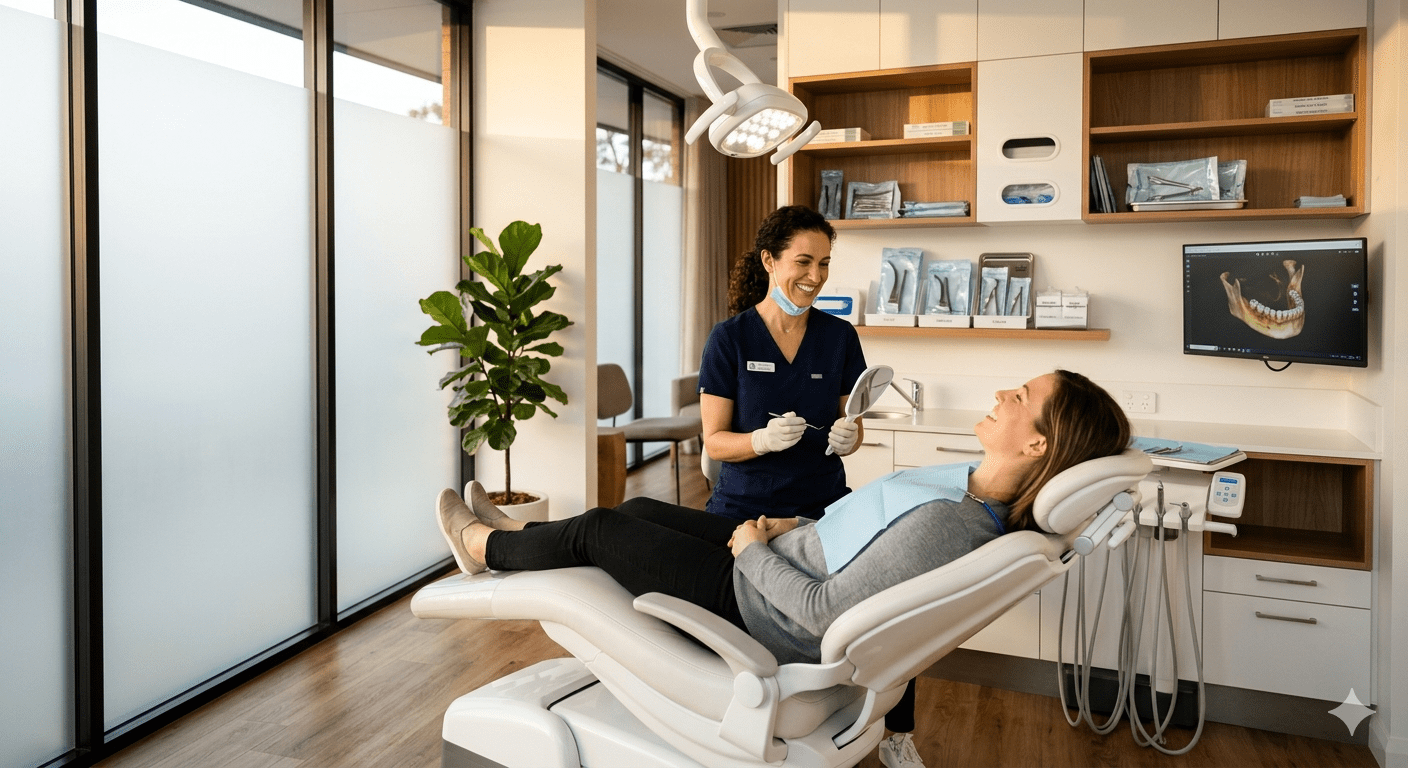
You’re likely weighing whether dental implants in Tallahassee are the right move for your smile and lifestyle. A local consultation will tell you if you’re a good candidate, outline a personalized treatment plan, and map costs and timelines so you can make a clear decision.
They’ll assess your oral health, bone structure, and goals, then explain what to expect during implant placement and recovery. You’ll learn about financing options, ways to prepare for the procedure, and how life usually improves after implants — all tailored to Tallahassee practices and patient comfort.
Understanding Dental Implants
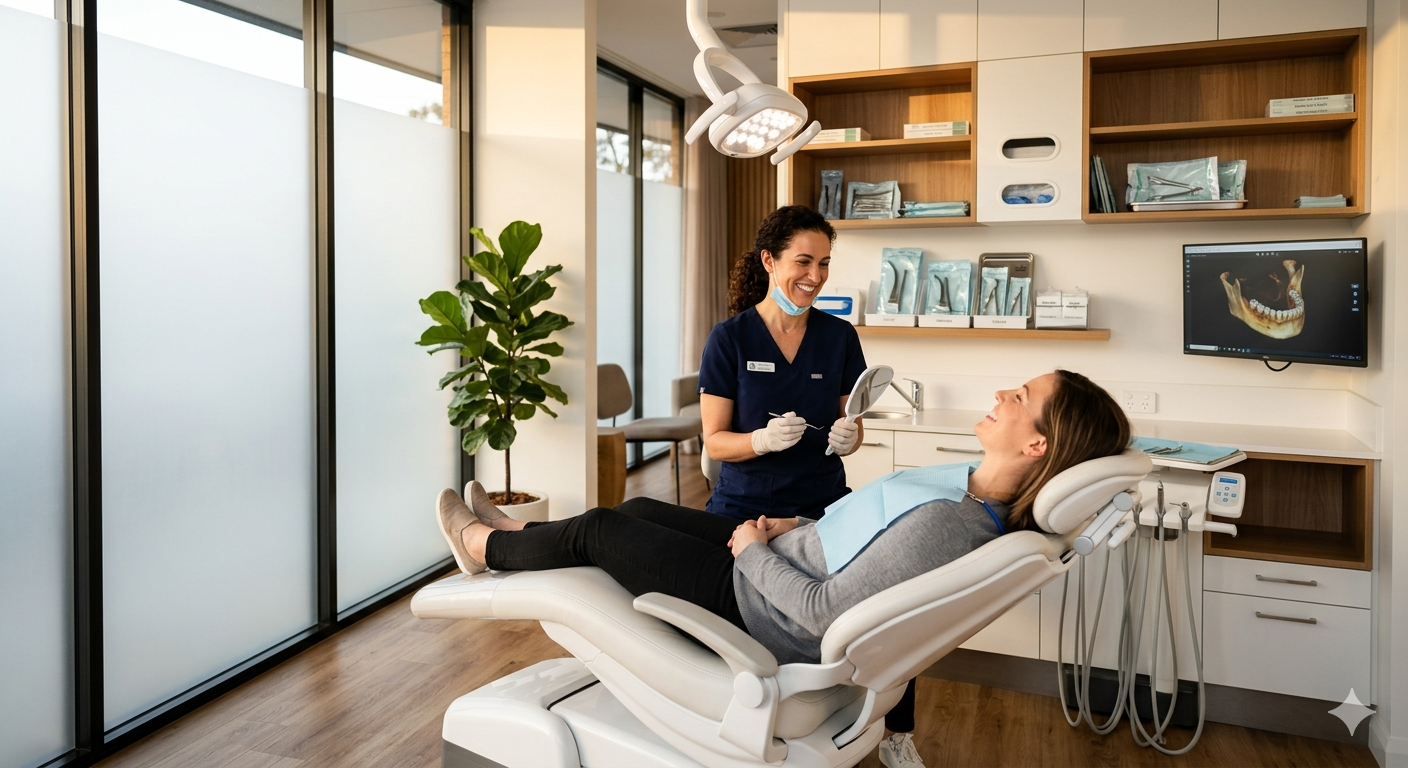
Dental implants replace missing teeth using titanium posts anchored in the jaw, abutments that connect parts, and crowns that restore appearance and function. They improve chewing, preserve bone, and can support single teeth, bridges, or full-arch prostheses.
What Are Dental Implants?
A dental implant is a small titanium screw placed into the jawbone to act as an artificial tooth root. After placement, bone commonly fuses to the implant through osseointegration, creating a stable base for a restoration.
The implant supports an abutment and a custom crown, bridge, or denture. Crowns match surrounding teeth in shape and color for a natural look. Implant systems vary, but most use biocompatible titanium or titanium alloys; zirconia implants are an alternative for select patients.
Candidates need adequate bone volume and healthy gums; some patients require bone grafting or sinus lifts first. The process typically spans several months from placement to final restoration, with regular checkups to monitor healing and load-bearing readiness.
Benefits Compared to Other Options
Implants preserve adjacent teeth because they don’t rely on neighboring teeth for support, unlike fixed bridges. They also prevent the bone loss that follows tooth extraction by transmitting chewing forces into the jaw.
Functionally, implants restore about 90–95% of natural biting efficiency, improving nutrition and speech compared with removable dentures. Implants are more stable and comfortable than traditional dentures and reduce sore spots and slippage.
Long-term cost often favors implants because they last many years with proper care, while bridges and dentures may need replacement or repair more often. Success rates exceed 90% in healthy patients when placed and maintained according to best practices.
Common Myths and Facts
Myth: “Implants are unbearably painful.” Fact: Most patients report mild to moderate discomfort managed with local anesthesia and short-term pain medication. Post-op swelling and soreness peak in the first 48–72 hours and then improve.
Myth: “Only young people can get implants.” Fact: Age alone is not a disqualifier; overall health, bone quality, and healing capacity determine candidacy. Many older adults receive implants successfully.
Myth: “Implants fail often.” Fact: Modern implant protocols show high success rates when patients maintain oral hygiene and follow the dentist’s guidance. Smoking, uncontrolled diabetes, and untreated gum disease increase failure risk.
Key practical points:
- Ask about imaging (CBCT) to assess bone volume.
- Verify the clinician’s implant training and case history.
- Plan for follow-up visits and routine hygiene to protect the investment.
Determining Your Candidacy
Dental implant candidacy depends on oral health, jawbone quantity, and overall medical conditions. Practical tests such as imaging, bite analysis, and a medical history review determine whether implants are appropriate and what preparatory treatments might be needed.
Who Makes a Good Candidate?
A good candidate has one or more missing teeth, healthy gums, and enough jawbone to support an implant post. Patients who chew without significant pain and maintain regular dental visits usually see better long-term outcomes.
Age alone is not a barrier; adults of nearly any age can qualify if bone structure and healing capacity are adequate. Candidates should be committed to daily oral hygiene and routine professional cleanings to protect the implant and surrounding tissue.
Prior tooth extractions, trauma, or congenital gaps do not disqualify someone—bone grafting or sinus lifts can rebuild needed support. The dental team will review prosthetic goals (single crown, bridge, or implant-supported denture) to match the plan to the patient’s needs.
Health Considerations
Systemic conditions like uncontrolled diabetes, osteoporosis, and autoimmune disorders affect healing and raise implant failure risk. Dentists require recent medical records and may coordinate with a primary care physician or specialist before proceeding.
Smoking delays bone healing and doubles the risk of implant complications; cessation before and after surgery improves success. Medications such as bisphosphonates and certain anticoagulants also influence timing and surgical approach, so patients must disclose all prescriptions and supplements.
Active gum disease must be treated before implant placement. The clinician will assess pocket depths, bleeding on probing, and infection signs; untreated periodontitis undermines implant stability and increases the chance of peri-implantitis.
Factors That Affect Success
Bone volume, density, and quality directly affect implant integration. CBCT imaging measures bone in millimeters and degrees of angulation; insufficient height or width often leads to grafting procedures to create a stable foundation.
Occlusion and bruxism (teeth grinding) change force distribution on implants; protective measures like nightguards or adjusted prosthetic designs reduce overload. Proper implant positioning and prosthetic planning minimize stress and improve chewing efficiency.
Oral hygiene, follow-up care, and realistic expectations influence longevity. Regular professional maintenance, patient adherence to home care, and timely management of complications such as loose screws or soft-tissue inflammation keep implants functioning for many years.
If questions remain or they want a personalized assessment, encourage scheduling a consultation to review scans, health history, and specific restorative goals.
What to Expect During Your Consultation
The visit covers medical history, mouth exam, and imaging to create a personalized implant plan. Patients leave knowing the recommended steps, costs, timeline, and comfort options.
Steps of the Evaluation Process
The clinician begins by reviewing medical and dental history, including medications, systemic conditions, and previous dental work. This helps identify factors that affect healing, such as diabetes, smoking, or bone-grafting needs.
Next comes a clinical oral exam: measurement of gum health, inspection of adjacent teeth, and evaluation of bite alignment. The dentist gently probes for pocket depths and checks for mobility or infection around remaining teeth.
If a failing tooth is present, they assess extraction timing and immediate vs. delayed implant placement. They also discuss bone volume and whether grafting or sinus lift procedures might be necessary.
A clear treatment timeline and cost estimate are provided, including staging, lab fees, and temporary restorations. The team reviews anesthesia options—local, sedation, or general—so patients understand comfort measures during surgery.
Digital Imaging and Diagnostics
A cone beam CT (CBCT) scan provides 3D views of jawbone height, width, and important nerves or sinuses. The dentist uses these images to plan implant length, diameter, and exact placement coordinates.
Intraoral scans or digital impressions capture tooth and soft-tissue anatomy without messy putty. These files feed the lab or in-office mill to design custom abutments and provisional crowns.
Digital treatment planning software simulates implant placement and shows how the final tooth will align with the bite. This reduces surprises during surgery and improves the fit and aesthetics of the final restoration.
If bone grafting or sinus augmentation is needed, the CBCT helps determine graft volume and predict healing time. The practice will explain radiation exposure, scan duration, and costs for these diagnostics.
Discussing Your Goals
The dentist asks about appearance priorities, chewing expectations, and lifestyle concerns—such as wanting a fixed tooth vs. a removable option. They discuss realistic aesthetic outcomes based on existing gum and bone levels.
They review alternatives: bridges, dentures, or implant-supported options, clarifying longevity, maintenance, and daily care. The clinician explains how implants preserve bone and how hygiene routines differ from natural teeth.
Financial considerations receive clear treatment: itemized fees, insurance possibilities, and financing plans. The team encourages questions about recovery, time off work, and follow-up visits to ensure the plan fits the patient’s life.
Patients get written treatment proposals and contact information for scheduling, financing, or further questions to make moving forward straightforward.
Personalized Treatment Planning
The team evaluates bone structure, oral health, cosmetic goals, budget, and medical history to build a clear, step‑by‑step plan. Patients receive specific scheduling, cost estimates, and restoration choices so they know what to expect at every visit.
Creating Your Custom Implant Plan
The clinician begins with a CBCT scan and intraoral photos to map bone height, nerve positions, and sinus anatomy. This imaging identifies whether bone grafting, sinus lift, or immediate implant placement is needed.
Medical history and medications are reviewed for conditions like diabetes or osteoporosis that alter healing. The dentist measures occlusion and adjacent tooth support to decide implant size, number, and angulation.
Cosmetic goals guide abutment and crown design. For a front-tooth replacement, they plan for provisional restorations to preserve soft-tissue contours. For full-arch cases, the plan may favor fixed hybrid prostheses or overdentures based on stability and budget.
A written plan lists procedures, predicted healing times, anesthesia options, and a transparent fee breakdown. Patients leave with a printed or digital plan and informed consent forms to review before treatment.
Timeline and Appointment Breakdown
Appointments typically begin with a 60–90 minute consultation for exams, scans, and treatment discussion. If bone grafting is required, that surgery usually occurs first, adding 3–6 months for graft integration before implant placement.
Implant placement appointments vary from 60–120 minutes depending on complexity and number of implants. Single-tooth implants often receive a healing cap and need 3–4 months for osseointegration in the lower jaw, and 4–6 months in the upper jaw when bone quality is softer.
Abutment and impression appointments follow once integration is confirmed; these visits take 30–60 minutes. Final prosthetic delivery usually involves a 60–90 minute visit for fit, bite adjustment, and patient instructions. Follow-up checks occur at 1 week, 3 months, and annually.
Restoration Options
Single crowns sit on individual implants and use titanium or zirconia abutments for strength and aesthetics. Zirconia crowns offer superior aesthetics for visible teeth; titanium-based solutions can be more economical for molars.
For multiple missing teeth, a fixed bridge on two or more implants restores chewing function and preserves bone. The dentist evaluates pontic design to keep cleaning access and gum health manageable.
Full-arch solutions include implant‑supported fixed prostheses and removable overdentures. Fixed prostheses resemble natural teeth and require 4–8 implants; overdentures attach to 2–4 implants and cost less while offering easier hygiene.
A side-by-side comparison helps patients choose by listing cost range, maintenance needs, expected lifespan, and typical procedures required. The team tailors the recommendation to the patient’s oral health, lifestyle, and budget, and encourages questions before finalizing the choice.
Cost and Financing Options
Patients should expect clear price ranges, typical out-of-pocket costs, and practical financing paths so they can plan treatment without surprises.
Understanding Pricing
Dental implant costs in Tallahassee commonly range from about $2,000 to $4,500 per implant for the implant post and abutment, with full single-tooth restorations often reaching $3,500–$6,000 when including the crown. Complex cases that need bone grafting or sinus lifts add $300–$2,000 or more depending on materials and surgeon fees.
Diagnostic imaging (CBCT) typically adds $150–$400, and sedation or general anesthesia may add $200–$800 per visit.
Clinics often provide an itemized estimate showing implant components, lab fees, surgical time, and additional procedures. Patients should ask for breakdowns and compare like-for-like quotes: implant brand, warranty, and whether the crown is milled in-house or outsourced affect price and longevity.
Insurance and Payment Plans
Most dental insurance plans do not fully cover implants but may cover portions such as crowns or extractions; coverage often depends on medical necessity and plan limits. Patients should call their carrier, provide procedure codes (ADA CDT codes D6010 for implant placement, D6011 for re-entry, D6057 for custom abutment, D6066 for implant-supported crown) and request preauthorization to avoid surprises.
Many Tallahassee practices offer in-office financing, monthly payment plans, or partnerships with third-party lenders (e.g., CareCredit, Sunbit). Typical options include 6–24 month interest-free plans for approved applicants, or extended plans up to 60 months with interest. Patients should compare APR, monthly payment, and total cost, and confirm whether financing covers the entire treatment or only specific fees.
Preparing for a Successful Outcome
Patients should arrange medical records, medications, and transportation, and plan for soft foods and rest after the procedure. Clear communication with the dental team about health history and expectations reduces surprises and speeds recovery.
How to Get Ready for the Procedure
They must bring a list of current medications, including prescriptions, over-the-counter drugs, supplements, and herbal remedies. Blood thinners, diabetes medications, and bisphosphonate history matter; the dentist will coordinate with the prescribing physician if adjustments are needed.
A recent dental X-ray or cone-beam CT helps the surgeon evaluate bone volume and nerve location. If imaging isn’t available, the office schedules it ahead of surgery to map implant placement precisely.
Confirm any preoperative instructions the office gives, such as fasting for sedation, taking prescribed antibiotics, or using an antiseptic mouthwash the night before. Arrange a ride home if receiving IV or oral sedation, and plan for 24–48 hours of reduced activity.
Tips for a Comfortable Experience
On the day of surgery, wear loose, comfortable clothing and avoid strong perfumes or heavy makeup. They should arrive with a photo ID and their medication list, and leave jewelry at home to simplify preparation.
Ask about anesthesia options—local, oral sedation, or IV sedation—and what to expect during each. Request written post-op care instructions and a phone number for after-hours questions to reduce anxiety and improve recovery decisions.
Prepare soft foods like yogurt, mashed potatoes, scrambled eggs, and smoothies for the first week. Keep ice packs, over-the-counter pain relief (as approved by the dentist), and gauze on hand to manage swelling and minor bleeding at home.
If they have anxiety, discuss pre-visit strategies: a brief office tour, meeting the surgical team beforehand, or trying prescribed anti-anxiety medication. Clear expectations and practical preparations make the experience smoother and recovery more predictable.
Life After Dental Implants
Patients can expect a predictable healing timeline, practical care steps, and long-term maintenance needs that preserve implant health and function. Clear instructions on pain management, diet, and oral hygiene help speed recovery and protect the investment in a new smile.
Healing and Recovery
Initial soreness and mild swelling are common for 3–7 days after implant placement. They often manage well with prescribed or over-the-counter pain relievers, ice packs applied 10–15 minutes at a time, and short rest periods.
Stitches typically dissolve or are removed within 7–10 days. Avoid strenuous exercise and heavy lifting for 3–5 days to lower the risk of bleeding or increased swelling.
Dietary choices matter: soft foods like yogurt, mashed potatoes, eggs, and smoothies work for the first 1–2 weeks. Chew on the opposite side and avoid hard, crunchy, or sticky foods until the clinician gives the all-clear.
Follow-up visits at 1–2 weeks and again at 3–6 months confirm bone integration and proper soft-tissue healing. Report persistent numbness, intense pain, fever, or pus; these can indicate infection or nerve issues needing prompt attention.
Caring for Your New Smile
Daily oral hygiene remains essential: brush twice a day with a soft-bristled brush and use low-abrasive toothpaste. Clean around the implant crown and gumline to prevent plaque buildup that can lead to peri-implantitis.
Floss or use interdental brushes sized to the gap around the implant to remove trapped food. Consider a water flosser for gentle, effective cleaning if manual flossing is difficult.
Schedule professional cleanings every 3–6 months based on the dentist’s recommendation and personal risk factors like smoking or a history of gum disease. During these visits, the team checks crown fit, occlusion, and gum health.
Avoid tobacco and limit alcohol in the early healing period and long-term; smoking increases implant failure risk. Wear a nightguard if grinding teeth to protect implant components from excessive force. For questions or concerns, patients should contact their dental office promptly to arrange evaluation and necessary adjustments.
Choosing the Right Practice in Tallahassee
Evaluate experience, technology, and patient comfort when selecting a dental implant practice. Prioritize clear communication about costs, timelines, and treatment steps.
What to Look For in a Provider
Look for a provider who places implants regularly, not occasionally. A clinician who performs at least 50 implant procedures a year demonstrates consistent hands-on experience and better complication management.
Verify the range of services offered: single implants, full-arch restorations, bone grafting, and guided-surgery options. Practices that handle both surgical placement and prosthetic restoration reduce handoffs and improve continuity of care.
Ask about imaging and planning tools. Cone-beam CT (CBCT) and digital implant planning with surgical guides reduce surprises and speed healing. Confirm whether sedation options and clear post-op instructions are available to prioritize patient comfort.
Read recent patient reviews that mention long-term function, follow-up care, and how staff handled concerns. Transparent pricing and written treatment plans help avoid unexpected costs.
Local Expertise and Credentials
Check credentials beyond general dentistry. Look for board-certified oral surgeons, periodontists, or prosthodontists on staff for complex cases. Memberships in the American Academy of Implant Dentistry (AAID) or the American Academy of Periodontology (AAP) indicate ongoing specialization.
Confirm local licensure and any state disciplinary history through Florida’s Department of Health. That public record shows whether a clinician maintains required continuing education and professional standards.
Evaluate the practice’s local reputation: ask primary care dentists in Tallahassee for referrals and check community forums for mentions of long-term implant success. Local labs and dental technicians familiar with regional practices can improve the fit and aesthetics of prosthetics.
Tour the office when possible. A clean, modern facility with digital records, CBCT capability, and a clear infection-control protocol signals a practice committed to up-to-date, patient-centered care.
Taking the First Step
A patient schedules a consultation and the clinic gathers medical history and dental concerns before the appointment. This helps the dentist tailor the visit and anticipate any special needs.
During the visit, the dentist performs a focused exam and takes imaging such as X-rays or a CBCT scan when needed. These images clarify bone structure and implant placement options.
The dentist explains treatment choices in plain language and discusses realistic outcomes, timing, and costs. They address comfort measures — local anesthesia, sedation options, and pain management — so patients know what to expect.
A simple checklist helps patients prepare:
- Bring medical records and medication list.
- Note questions about recovery, diet, and work downtime.
- Arrange transportation if sedation is planned.
The team reviews insurance coverage and financing to reduce surprises. They provide written estimates and outline follow-up visits for planning and healing.
If a patient isn’t a candidate immediately, the dentist recommends preparatory care like bone grafting, gum treatment, or replacing failing teeth. These steps improve long-term success and often restore the option for implants.
A friendly staff member invites questions and can schedule imaging or a second opinion. They encourage the patient to call or book online to start planning their dental implant care.
Frequently Asked Questions
This section answers common concerns about candidacy, visit steps, cost, preparatory procedures, timeline, and comfort options for dental implants in Tallahassee, FL. It gives clear, practical details patients can use to prepare for consultation and treatment.
Am I a good candidate for dental implants if I’ve had gum disease or bone loss?
Prior gum disease does not automatically disqualify someone. If periodontal disease is controlled and inflammation is resolved, implants can be considered.
Significant bone loss can require bone grafting before implant placement. The dentist evaluates bone quantity with a CBCT scan and clinical examination to determine suitability.
What happens during the first implant visit, and what should I bring or expect?
The first visit includes medical and dental history review, a clinical exam, and imaging such as a CBCT scan or panoramic X-ray. The clinician discusses goals, treatment options, estimated timeline, and consent for the proposed plan.
Bring a list of medications, prior dental records or X-rays if available, and your insurance information. Expect about 45–90 minutes for evaluation and planning.
How much do dental implants typically cost, and what financing or insurance options might help?
Single-tooth implant costs in Tallahassee commonly range from $3,000 to $6,000, depending on components, imaging, and restorations. Full-arch options vary widely and often run higher.
Many dental insurance plans cover part of the restorative crown rather than the implant fixture; coverage varies by policy. Practices often offer financing plans, third-party medical credit (e.g., CareCredit), and in-house payment plans to spread costs.
Do I need a bone graft or sinus lift before an implant, and how would you know?
A bone graft is recommended when there isn’t enough jawbone to stabilize an implant. A CBCT scan shows bone height, width, and density so the clinician can plan grafting needs precisely.
A sinus lift is required for upper molars/premolars if the maxillary sinus descends into the implant site. The dentist will explain graft materials, healing time, and expected outcomes.
How long does the implant process take from start to finish, including healing time?
Typical single-implant treatment takes 3–6 months from placement to final crown in straightforward cases. Healing (osseointegration) usually spans 8–16 weeks before the final restoration.
Complex cases that require bone grafting or sinus lifts add 3–6 months of healing before implant placement, so total timelines can extend to 9–12 months. The practice provides a personalized schedule during consultation.
What are the most comfortable sedation or pain-control options for implant surgery?
Local anesthesia provides numbness for most implant procedures, and patients remain awake and responsive. Nitrous oxide (laughing gas) and oral sedatives offer mild-to-moderate relaxation for anxious patients.
For deeper sedation, IV sedation or general anesthesia can be arranged, often with a trained anesthetist. The team reviews medical history and recommends the safest option to minimize discomfort and anxiety.
If they have questions or want to schedule a consultation, contact the Tallahassee implant team to review records, get imaging, and receive a personalized treatment plan.